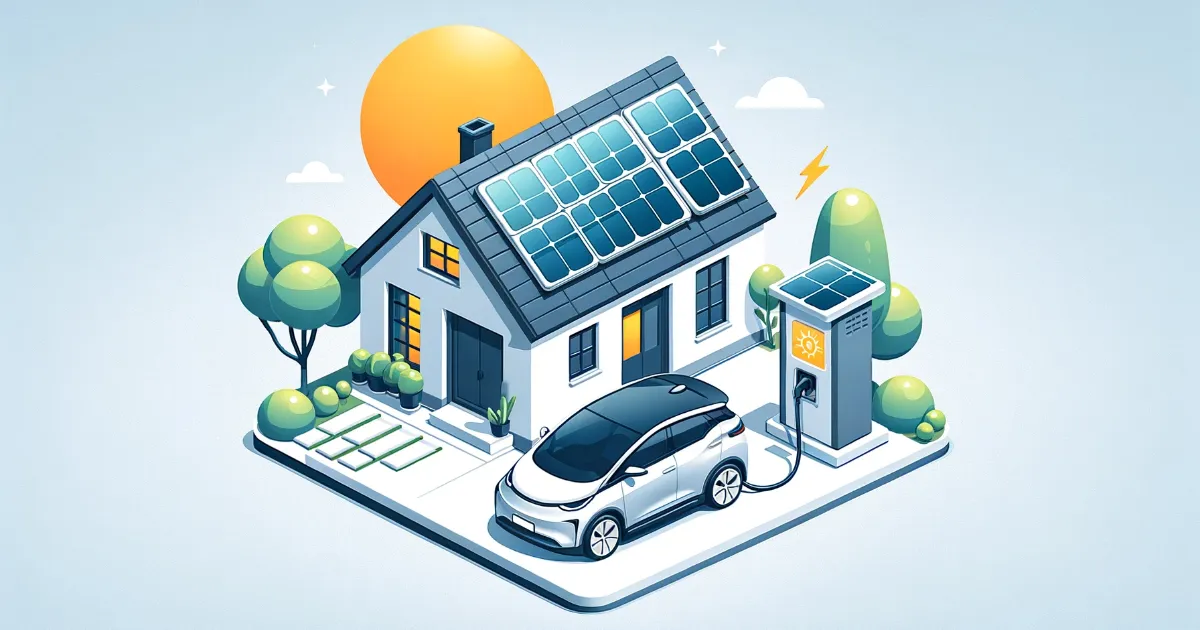
In 2023, Australia’s rooftop solar market nearly surpassed its record-setting year in 2021, installing approximately 3.17GW of small-scale solar, a 14% increase from 2022. This continued growth underscores the country's commitment to renewable energy and its world-leading pace in solar panel installations. December 2023 saw a record high system size of 10.5kW per system, indicating a trend towards larger installations.


The Impact of Rooftop Solar on Energy Grids
The proliferation of rooftop solar has had a significant impact on Australia's energy landscape. In some instances, such as in South Australia, rooftop solar generation has been so substantial that it met the entire region's demand. However, this surge in solar energy generation is not without challenges. It has led to issues with grid stability and impacted utility-scale solar and wind projects, as these sources occasionally need to scale back production in response to the energy surplus from rooftop solar.
Regulatory and Policy Developments
To manage the rapid growth of solar, Australia is implementing various policies and systems. These include export limiting, which controls the amount of energy a solar system can send to the grid, and DC coupling, which facilitates more efficient use of solar energy with home battery systems. Furthermore, flexible connections have been introduced, allowing for variable export limits that change throughout the day based on energy demand and grid stability needs.
Government Incentives and Policy Shifts
The Australian government continues to incentivize solar adoption, albeit with some adjustments. The allocation of Small-scale Technology Certificates (STCs), which reduce the cost of solar systems, has been decreased as part of a planned reduction towards the program's end in 2030. This reduction means slightly lower upfront savings for solar system installations in 2024 compared to previous years.
In addition, various states have implemented policies to encourage the adoption of renewable energy and electric vehicles (EVs). These include rebates for zero-emission vehicles and stamp duty concessions for EVs in states like Queensland, Western Australia, and the Northern Territory. These incentives align with the broader goal of reducing carbon emissions and promoting sustainable energy solutions.
Challenges and Opportunities Ahead
While Australia leads the world in rooftop solar installations, it faces challenges in managing and regulating these systems. This includes addressing issues such as the lack of controllability by market operators, uncertain behavior during grid events, and impacts on network voltage. The government's focus is shifting towards creating a comprehensive roadmap for managing consumer-owned energy resources, including rooftop solar, home battery storage, and electric vehicles.
Conclusion
As Australia continues to embrace solar energy, the landscape in 2024 presents both opportunities and challenges. The growth in rooftop solar installations is a testament to the country's commitment to renewable energy. However, this rapid expansion requires thoughtful management and regulation to ensure grid stability and the efficient integration of various energy sources. With continued innovation and policy support, Australia is well-positioned to lead the way in the global transition to a more sustainable energy future.