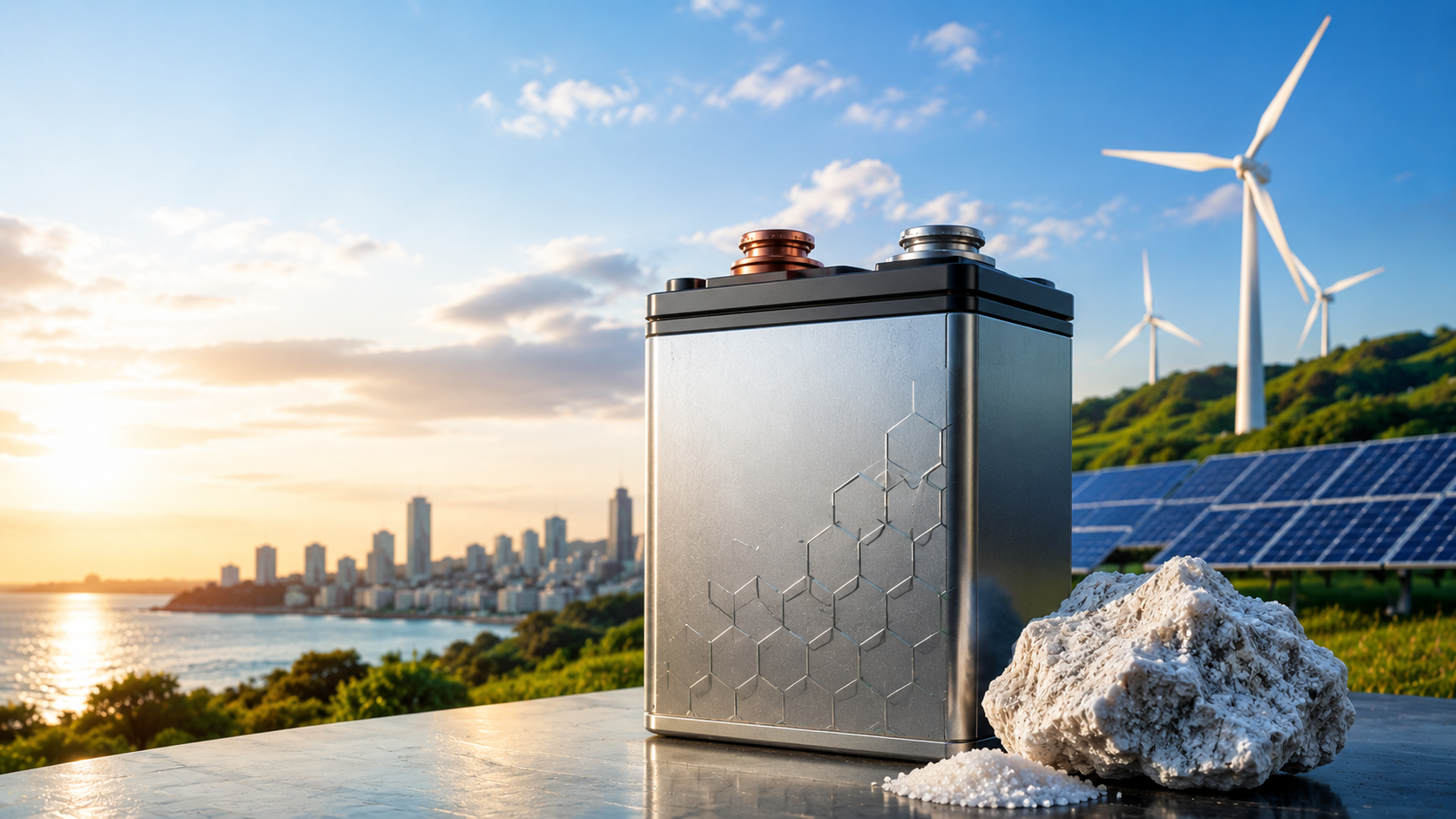
While lithium-ion batteries still dominate electric vehicles, laptops and household electronics, sodium-ion technology is gaining attention as a realistic alternative in areas where affordability and material availability matter more than compact size.
Lithium batteries became the global standard because they can store a large amount of energy in a relatively small and lightweight package. That advantage directly affects everyday products. It determines how far an electric vehicle can travel, how slim a laptop can be and how much space a home battery system requires.
That strength is also lithium’s biggest defence against competitors. Sodium-based batteries generally cannot match lithium-ion systems for energy density because sodium ions are larger and heavier. In practical terms, that means sodium batteries usually need more size and weight to deliver the same amount of stored power.
Read customer reviews.
Even so, sodium-ion technology is attracting serious interest because the raw material itself is far more abundant. Sodium is widely available and less exposed to the supply pressures affecting lithium, nickel and cobalt markets. As global demand for batteries accelerates, that difference matters increasingly to manufacturers, governments and energy planners.
Australia sits at the centre of this discussion because of its major role in the lithium industry. The country remains the world’s leading lithium producer, although its share of global production has declined as output in other nations has expanded. At the same time, Australia’s transition towards renewable electricity is increasing the need for large-scale energy storage to support solar and wind generation.
Rather than replacing lithium across the board, sodium-ion batteries are more likely to carve out specific roles where lower costs and supply diversity outweigh the need for maximum energy density.
That distinction is particularly important in stationary storage. Grid batteries and home energy systems do not face the same weight restrictions as EVs or portable electronics. A battery attached to a wall or installed in a large container does not need to be ultra-light. In these situations, cost, durability, safety and large-scale manufacturing become more important considerations.
Industry analysts believe sodium-ion systems could become especially useful for electricity grids and smaller urban electric vehicles. Some forecasts suggest sodium batteries could eventually be cheaper than existing battery technologies if mass production reaches sufficient scale. However, lower manufacturing costs do not automatically guarantee cheaper products for households or drivers. Retail pricing still depends on installation costs, competition, warranties, supply chains and safety approvals.
For electric vehicles, sodium-ion batteries are still in the early stages of commercial development. Their most likely starting point is lower-cost cars designed for short urban trips rather than long-distance touring vehicles. City commuters generally need less driving range, making lower energy density less of a drawback.
Chinese battery giant CATL has already signalled how seriously the industry is taking the technology, announcing plans for mass production of its sodium-ion battery range. While that marks an important commercial milestone, it does not mean lithium batteries are about to disappear from mainstream EVs. Australian motorists are still likely to rely on lithium-ion systems for vehicles where long range, towing performance and rapid charging remain priorities.
The same pattern applies to household solar batteries. Sodium-ion systems could eventually become attractive because home batteries remain fixed in one location and do not require lightweight construction. But the market is still immature compared with established lithium-based products. Buyers are more likely to judge systems on reliability, warranty coverage, safety certifications and after-sales support than on chemistry alone.
Sodium-Ion Home Batteries Are Already Reaching Australia
Although the market is still small, sodium-ion home battery systems are already starting to appear in Australia. The technology remains in the early stages of commercial rollout, and there are still some regulatory hurdles buyers should understand before installing one.
One of the main complications is certification. Many federal battery incentives and some electricity network approvals depend on products meeting Clean Energy Council requirements, and sodium-ion systems are not yet as widely recognised as lithium-based batteries under existing approval frameworks. In some cases, this may affect rebate eligibility or grid connection approval.
Several sodium-ion products are already being promoted to Australian households. These include the PowerSafe 10 kWh Sodium Ion Battery, aimed at moderate household energy use, along with a larger 20 kWh version designed for homes with higher electricity demand or partial off-grid operation. Another example is the Australian-developed PowerCap POD system, which uses sodium-ion technology for backup power and peak energy savings.
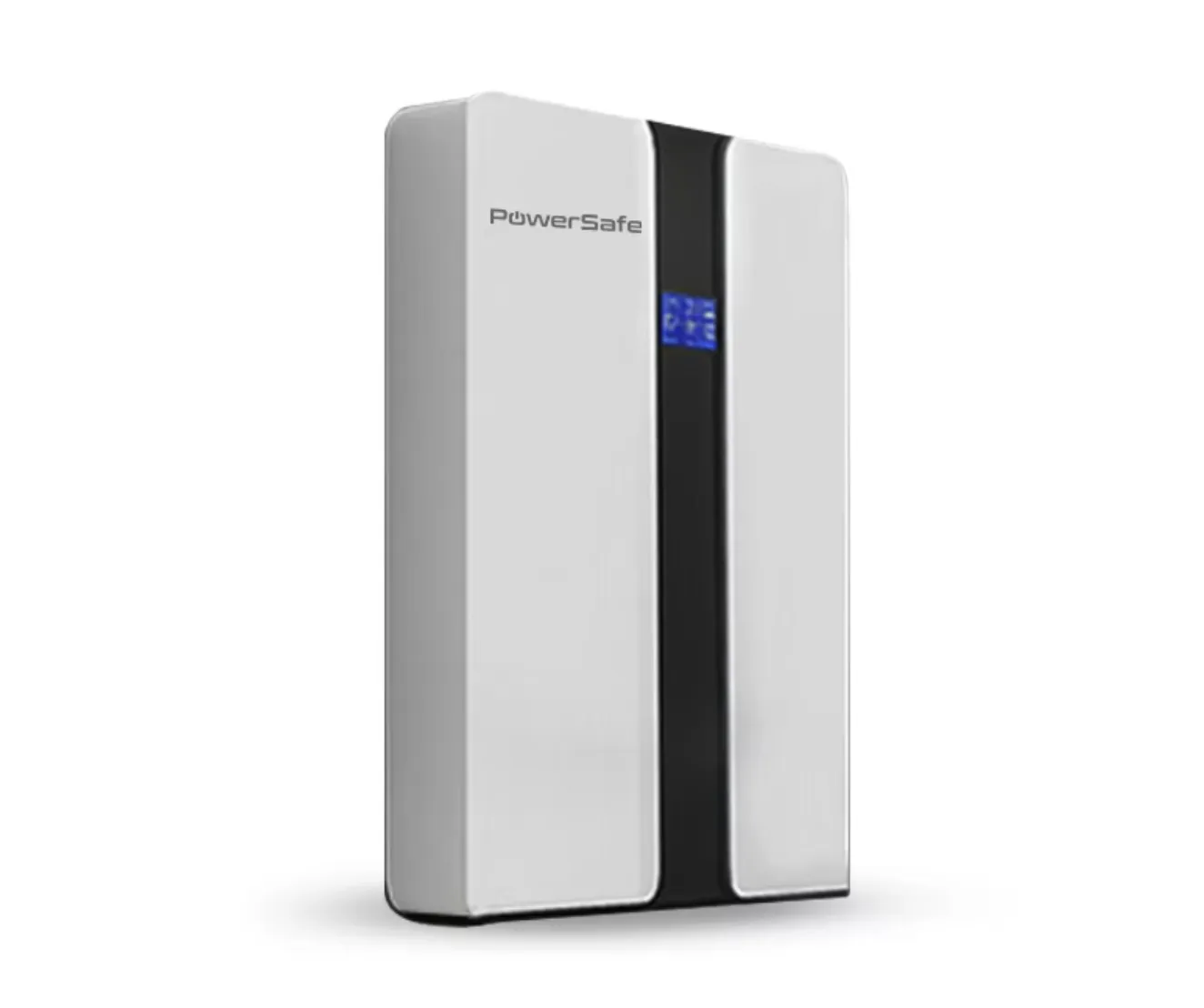
Image Source - PowerSafe website.
Because installation rules and network requirements vary between states and electricity providers, households considering sodium-ion storage should confirm certification and grid-connection requirements with a qualified solar installer before purchase.
Where Sodium-Ion Batteries Could Grow Next
Large-scale grid storage may ultimately become sodium-ion’s strongest opportunity. Australia’s electricity network will require a broad mix of storage technologies as renewable energy expands. In that environment, sodium batteries could prove valuable because of their lower dependence on constrained minerals and their potential for large-scale deployment.
Researchers are also exploring hybrid battery designs that combine sodium with smaller amounts of lithium rather than treating the two materials as direct competitors.
“In work carried out at the University of Limerick’s Bernal Institute, my team has now produced a battery that combines the strengths of sodium and lithium. This could lead to more sustainable batteries that reduce the supply chain pressures associated with lithium.”
The findings were later published in the journal Nano Energy, highlighting ongoing research into dual-cation batteries that combine sodium with smaller amounts of lithium to improve performance while reducing reliance on lithium-heavy designs.
That work remains experimental and faces commercial hurdles. The prototype used germanium in the anode, a costly material unlikely to suit large-scale manufacturing without cheaper alternatives. Still, the project highlights a broader trend emerging across the battery sector: future energy storage may rely on a wider variety of chemistries tailored for different tasks rather than one dominant technology serving every purpose.
For consumers, sodium-ion batteries bring several possible advantages. The material is abundant, supply chains could become more diverse and the technology may help reduce reliance on lithium, nickel and cobalt. Sodium systems may also become cheaper over time if manufacturing scales successfully.
The limitations are equally clear. Sodium-ion batteries currently store less energy, remain less commercially mature and have far less long-term real-world performance data than lithium-ion systems. Availability in Australia is also still limited.
Environmental questions remain complex as well. Sodium may reduce pressure on some critical mineral supply chains, but battery production still involves mining, manufacturing, transport and recycling challenges regardless of chemistry.
For Australians considering solar batteries or electric vehicles today, sodium-ion technology is better viewed as an emerging option rather than an immediate replacement. Current purchasing decisions still depend largely on present-day products, pricing, warranties and performance rather than future possibilities.
The most likely outcome is not the end of lithium, but a more diverse battery market. Lithium-ion technology is expected to remain dominant in applications where weight and compact size are critical, while sodium-ion batteries may expand into grid storage, lower-cost vehicles and other sectors where affordability and material availability matter more.