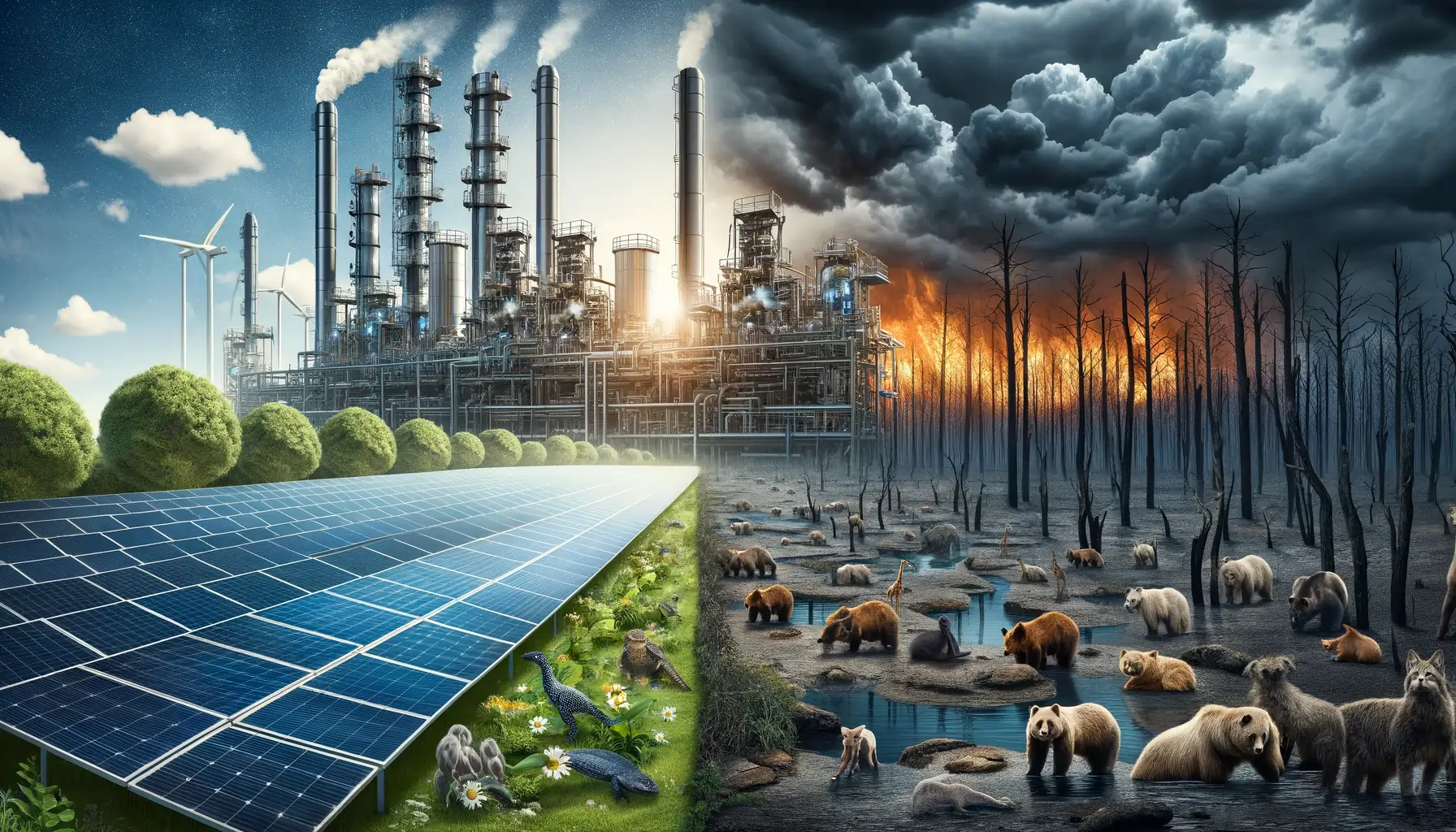
Australia's latest federal budget, presented last night, has left environmentalists and conservationists disheartened. While the budget introduces substantial subsidies for green industries, it falls short of addressing the immediate environmental crises that Australia faces. This budget represents another missed opportunity to make significant strides toward environmental protection and conservation.
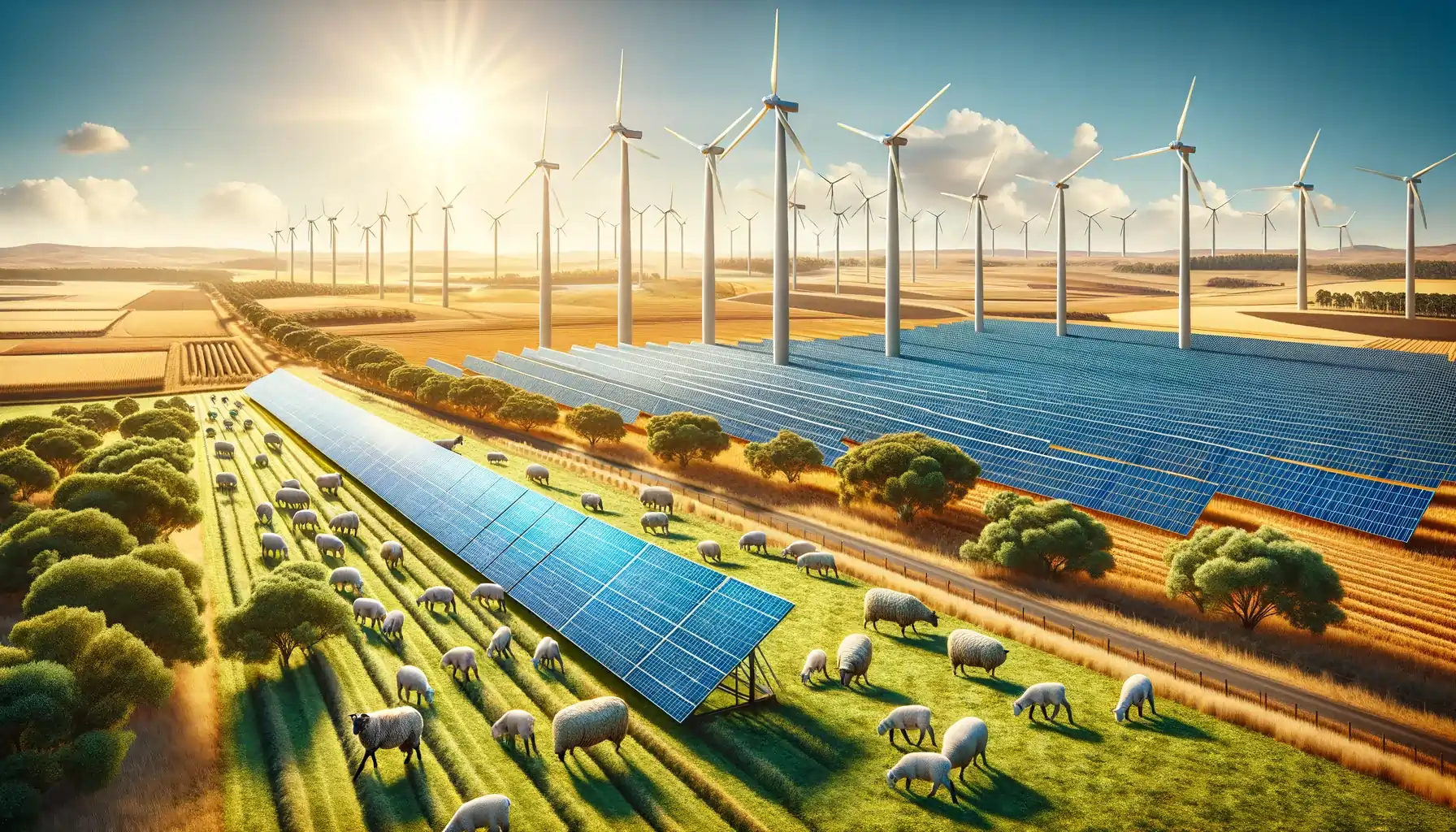
Australia's potential in leading a renewable energy future is significant, particularly when considering the possibilities presented by solar and wind power. With an expansive land mass and abundant natural resources, the nation is well-poised to harness these energies efficiently, with minimal disruption to its agricultural base.
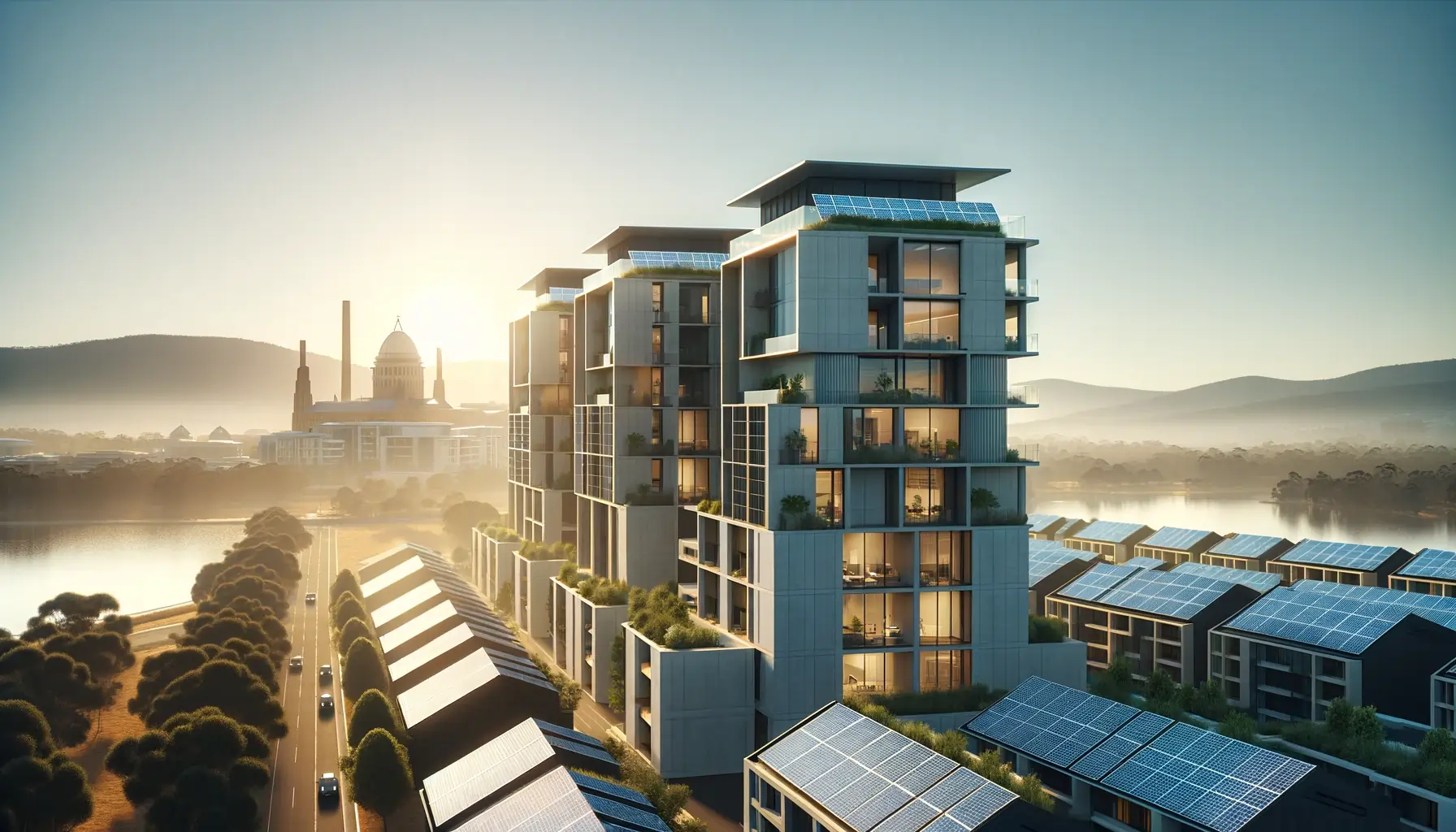
The Australian Capital Territory (ACT) has launched an ambitious $3.6 million initiative, "Solar for Apartments," that targets one of the more challenging sectors of the housing market in terms of renewable energy adoption—apartment complexes. This initiative represents a strategic collaboration between the Australian and ACT governments, marking a significant step towards sustainable urban living.
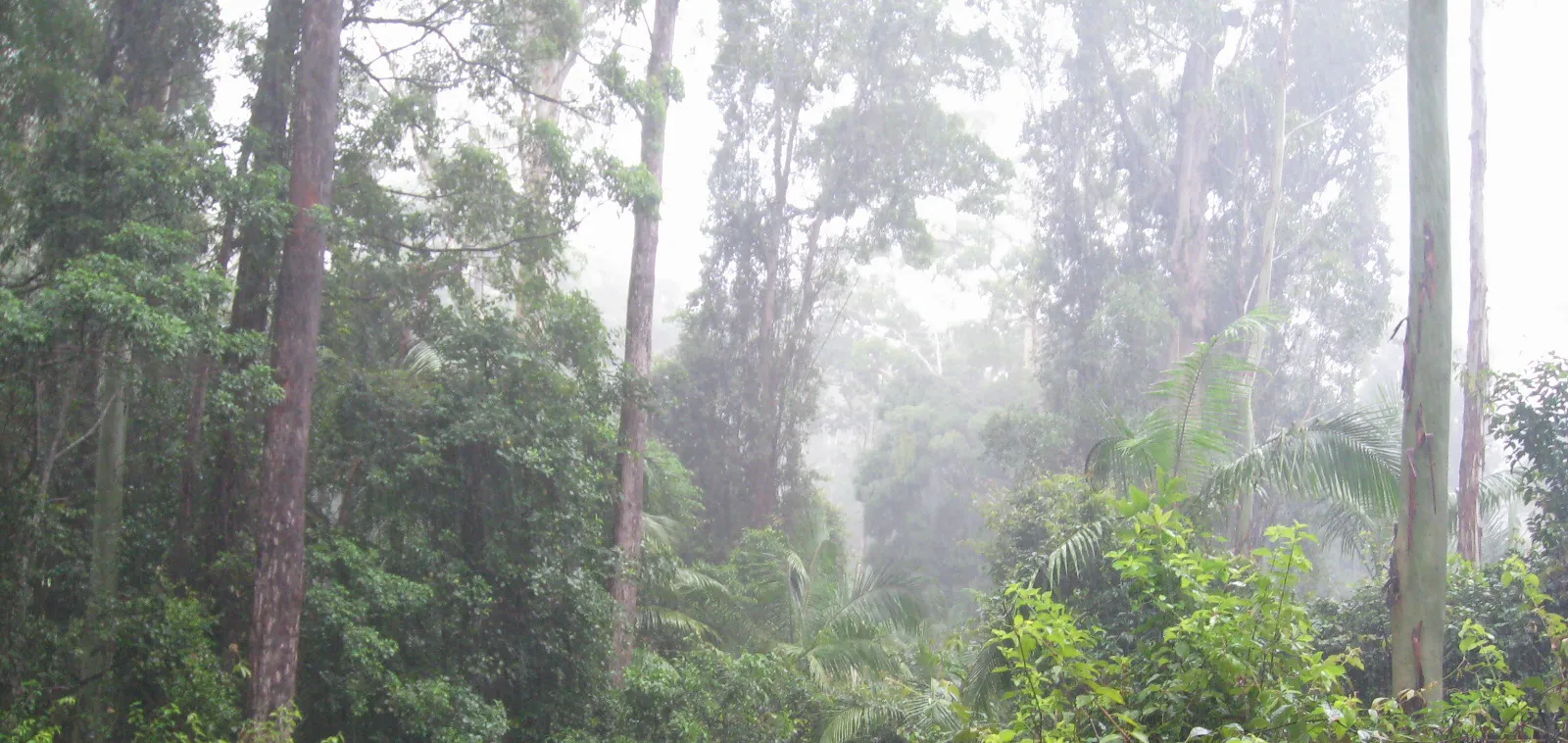
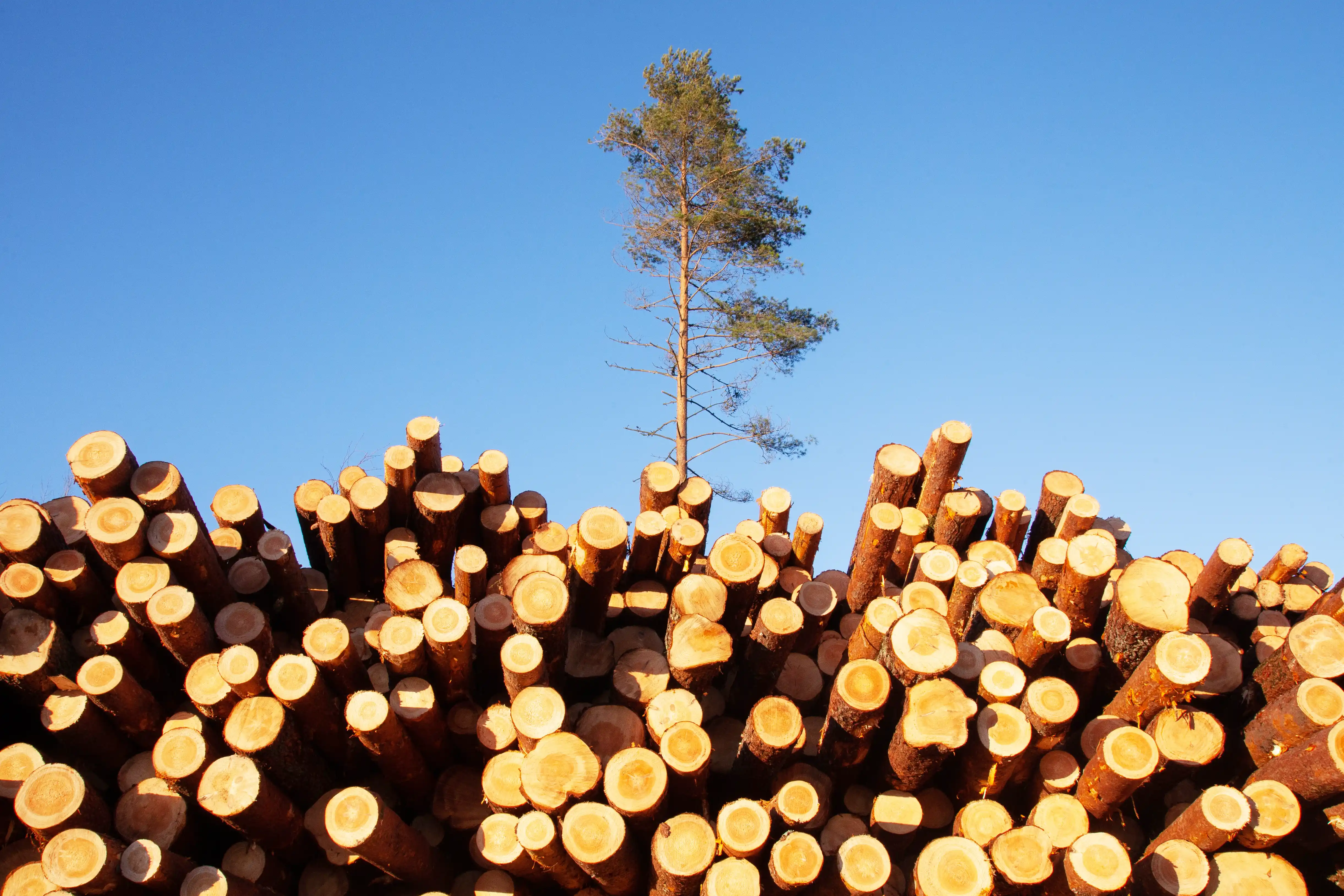
Australia's tall, wet forests have long been the subject of debate and misunderstanding, particularly regarding their pre-colonial condition and how they should be managed today. Contrary to some popular beliefs and historical accounts that suggest these forests were once open and park-like, recent scientific research paints a much denser, lush picture. This new understanding has profound implications for conservation strategies and fire management practices.
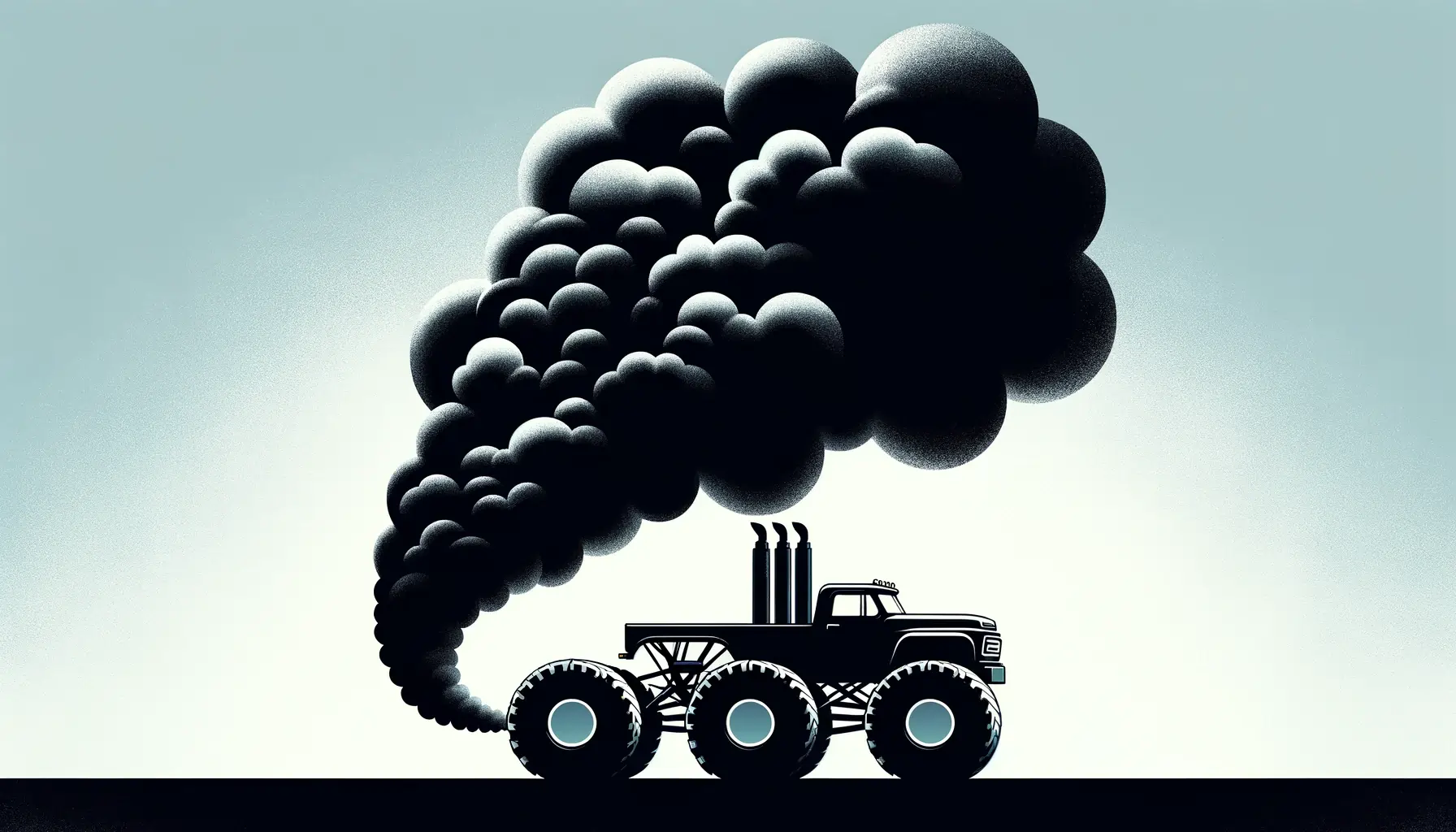
In a recent policy shift that's sparking heated debate, Australia's federal government has chosen to loosen its grip on vehicle emissions standards, particularly for utes and vans, in what appears to be a concession to the automotive industry's lobbying efforts. This decision not only defers the enforcement of these new standards by six months but also introduces a reclassification for some 4WD wagons, such as the iconic Toyota LandCruiser and Nissan Patrol, from "passenger cars" to "light commercial vehicles." This seemingly benign reclassification carries significant implications, allowing these models to slip under the radar of more stringent emissions standards.
In the scorching heat of Southern Greece and Tunisia, white rooftops and buildings stand as a testament to traditional wisdom, reflecting the sun's intensity to keep homes cool. However, this principle seems lost in the modern urban landscapes of Sydney and Melbourne, Australia, where new housing estates are dominated by dark rooftops, black roads, and sparse tree coverage, contributing to the urban heat island effect and skyrocketing cooling costs.
Australia’s power grid was built to transport power from coal-fired power stations or the Snowy Hydro scheme to large cities and industrial precincts. The large transmission lines were designed with generation supply and demand, the shortest routes, and cost in mind.
Many corporations claim their products are “green-friendly.” But how do you know if what they’re selling is truly eco-safe? SciLine interviewed Thomas Lyon, professor of sustainable science, technology and commerce at the University of Michigan, on how to buy environmentally sustainable products, whether carbon credits actually work and the prevalence of greenwashing.
Solar Directory
Doing what I can to promote solar and renewable energy in Australia. I want to help small Aussie solar businesses increase their digital footprint.
About
Contact
Facebook
Bluesky
Add Solar Business
Affiliate Disclosure Statement