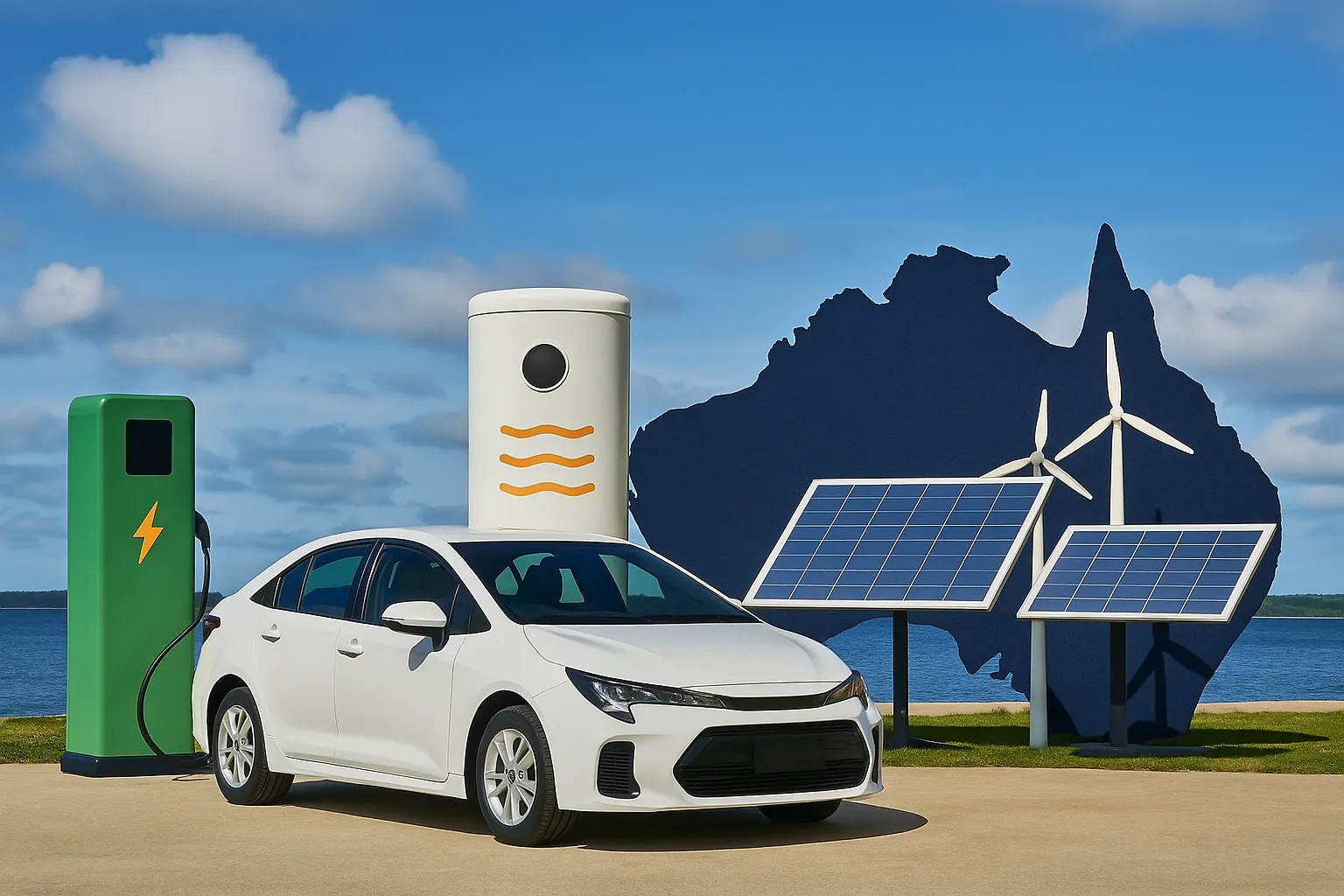
By 2025, home electrification in Australia has crossed a critical threshold. What was once pitched primarily as a climate-conscious choice has become, for many households, a straightforward economic decision. Rising gas prices, volatile electricity markets and increasingly generous incentives have shifted the conversation from whether to electrify to how fast it can be done.
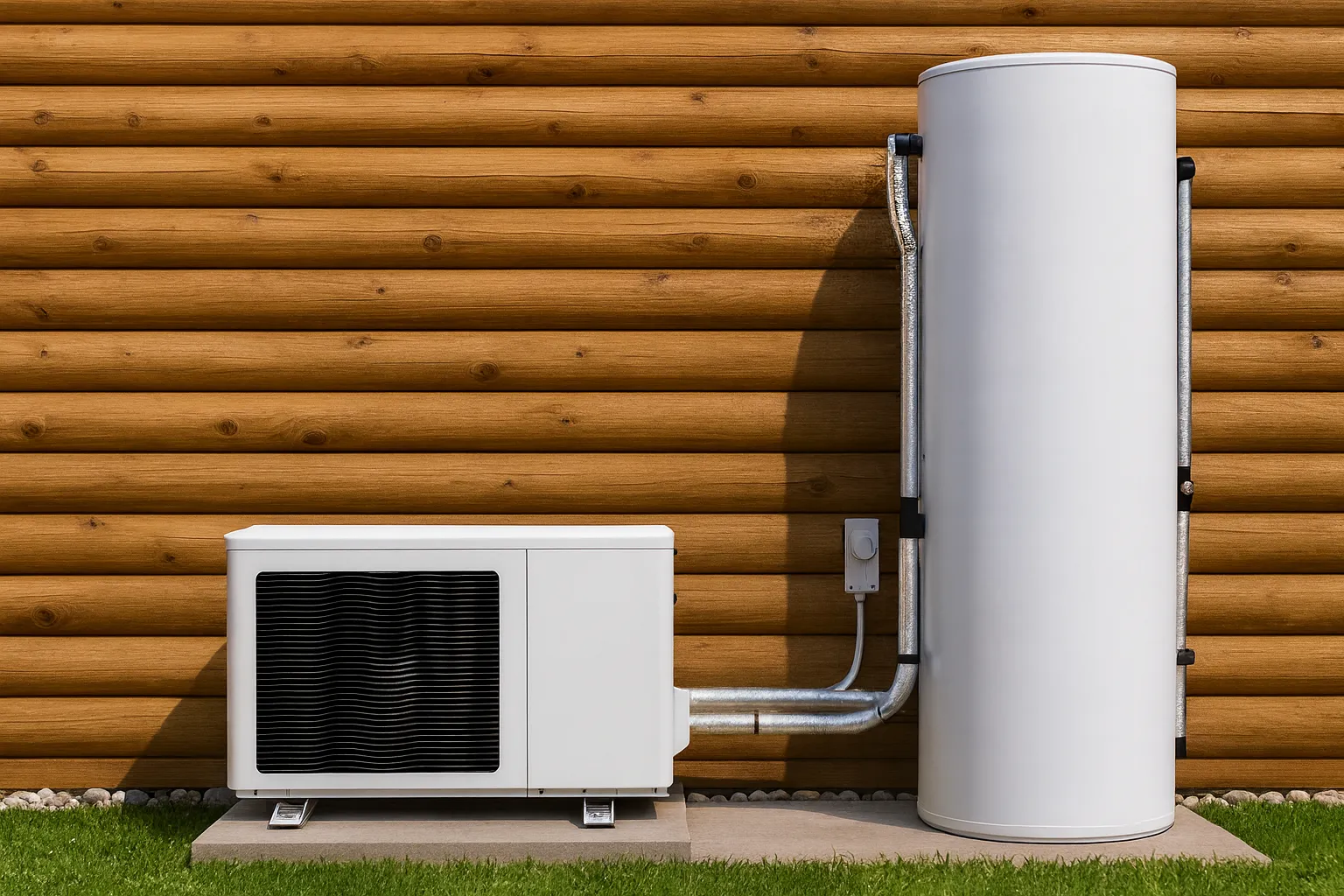
If you’ve ever stood under a hot shower thinking, “I wonder if this is costing me more than my last weekend away,” there’s a good chance your water heating system is guilty as charged. Traditional electric hot water heaters are basically kettles on steroids, chewing through power to keep water hot even while you’re off at work or the beach. Imagine the amount of energy being consumed by these systems globally when it’s totally unnecessary to keep the water hot just in case someone might turn the tap on.
The NSW Government is dangling a juicy carrot in front of businesses: a cool $1 million in grant funding to help explore if heat pumps are the future of their heating systems. And for many, the answer might be a resounding yes.
As more Aussies plug in electric vehicles (EVs) and swap out gas hot water systems for electric ones, there’s growing concern that the surge in electricity use might overload our power grids. With national electricity demand expected to double by 2050, the worry isn’t unfounded — especially if everyone charges up and cranks the heat at the same time.
Thinking of giving your home an energy upgrade? You’re not alone. More and more Aussies are ditching gas and switching to all-electric homes – a move that’s not just good for your wallet, but also a win for the planet.
Solar Victoria continues to strengthen consumer protections through its Solar Homes Program, focusing on ensuring that households opting for energy-efficient hot water systems receive high-quality products and services. As demand for heat pump hot water systems surges across the state, the organisation is taking decisive steps to uphold stringent industry standards for both retailers and installers, safeguarding consumers while promoting sustainable energy solutions.