Get Free Quotes from Trusted Installers Near You
Get Free Quotes from Trusted Installers Near You

Hybrid solar power systems are becoming increasingly popular in Australia, providing a versatile solution that combines the benefits of both grid-connected and off-grid solar systems. As the demand for renewable energy grows, understanding the intricacies of hybrid systems can help homeowners make informed decisions. This article will explore what hybrid solar systems are, how they work, their components, advantages and disadvantages, and their costs, potential savings, and payback times.

Solar power has emerged as a transformative force, drastically altering our approach to residential energy consumption. Notably, the affordability of solar power has reached unprecedented levels, inviting Australian homeowners to consider it as a primary energy source. This article delves into the feasibility of relying solely on solar power for residential needs, alongside strategies for optimising solar energy usage.
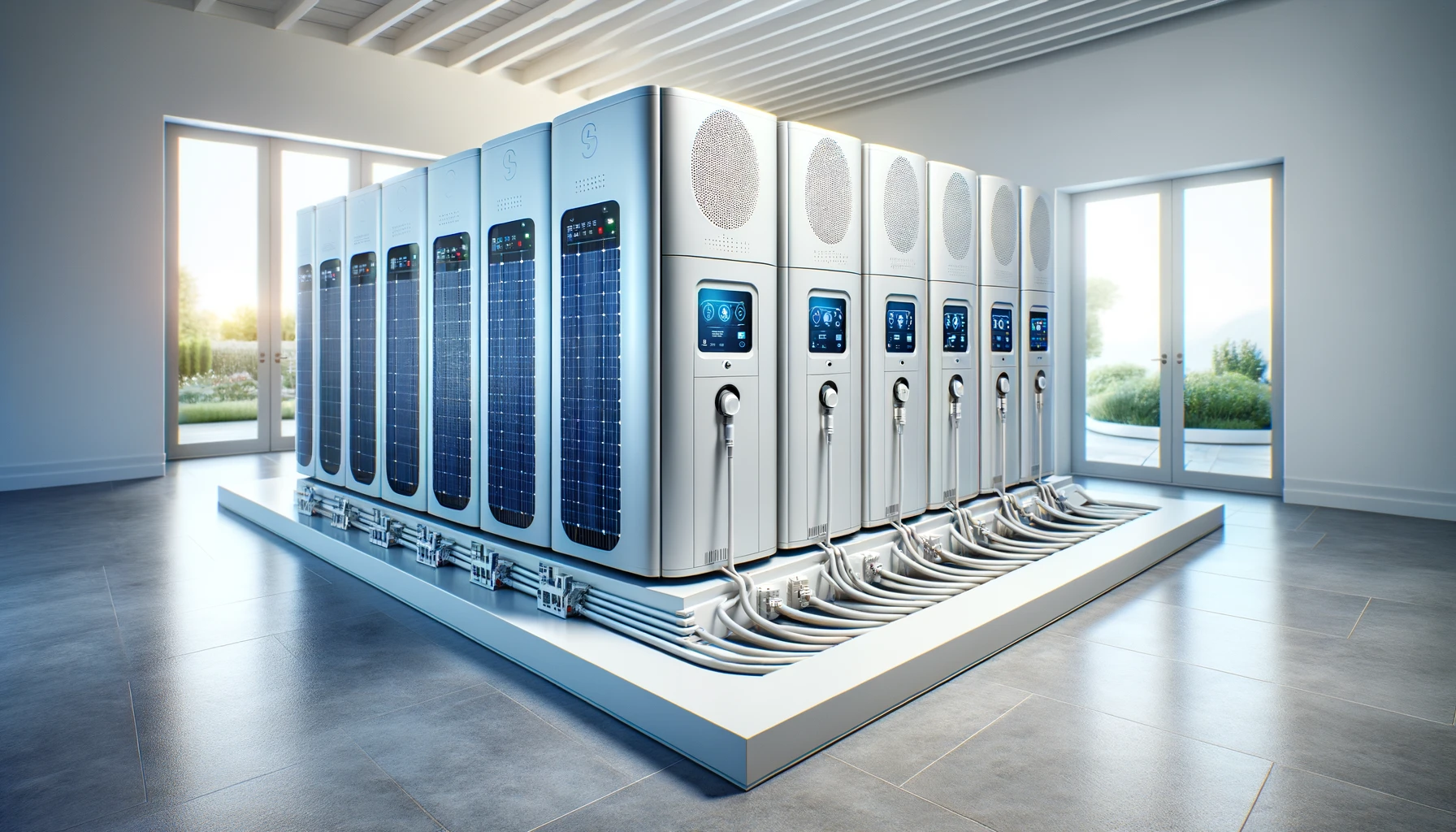
As Australians continue embracing renewable energy, solar power systems have become a popular choice. This article aims to clarify the intricacies of these systems and the significance of battery storage and help you make informed decisions about your energy consumption.

Are you excited about the prospect of generating your own electricity with a modern solar power system? Do you have a b aversion to the outdated, fossil fuel-dependent power companies? Have you ever thought, "Wouldn't it be fantastic if I could generate electricity from solar panels during the day and store it in batteries for use at night?" If so, you're not alone—this idea is both logical and practical. However, due to current energy storage technology and costs, going completely off-grid might not be the most economical solution for everyone just yet.
Free calculators and comparison tools to help you make a smarter solar or battery purchase.
Open ToolsFree calculators and comparison tools to help you make a smarter solar or battery purchase.
Open Tools