Compare Quotes from Trusted Installers Near You
Compare Quotes from Trusted Installers Near You
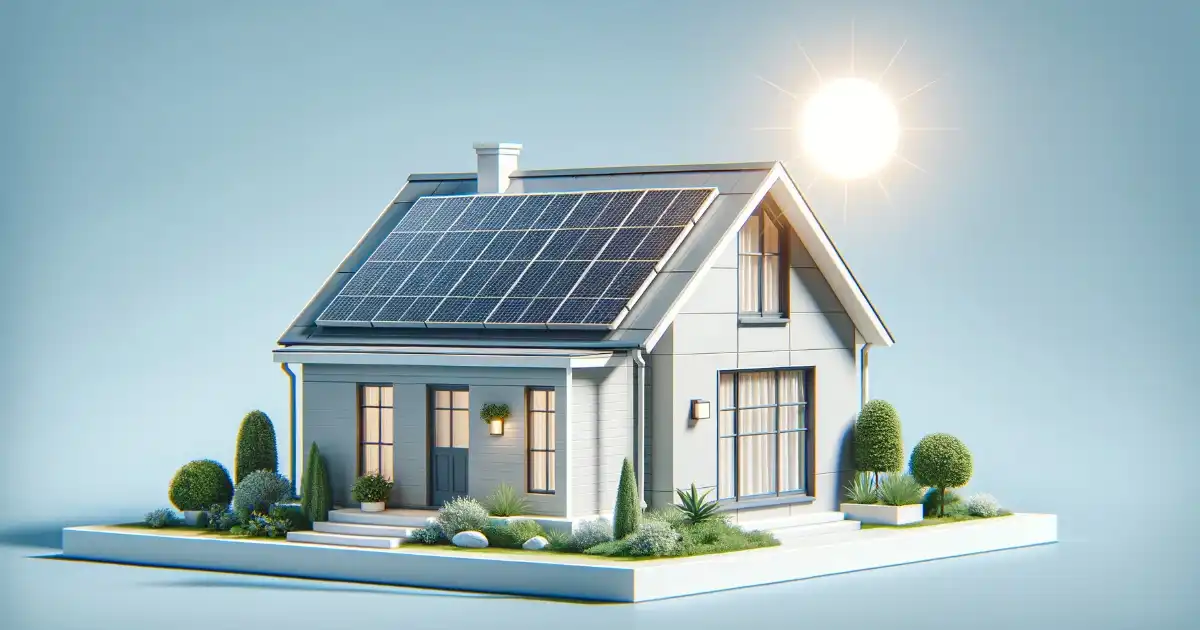
Solar power has emerged as a transformative force, drastically altering our approach to residential energy consumption. Notably, the affordability of solar power has reached unprecedented levels, inviting Australian homeowners to consider it as a primary energy source. This article delves into the feasibility of relying solely on solar power for residential needs, alongside strategies for optimising solar energy usage.
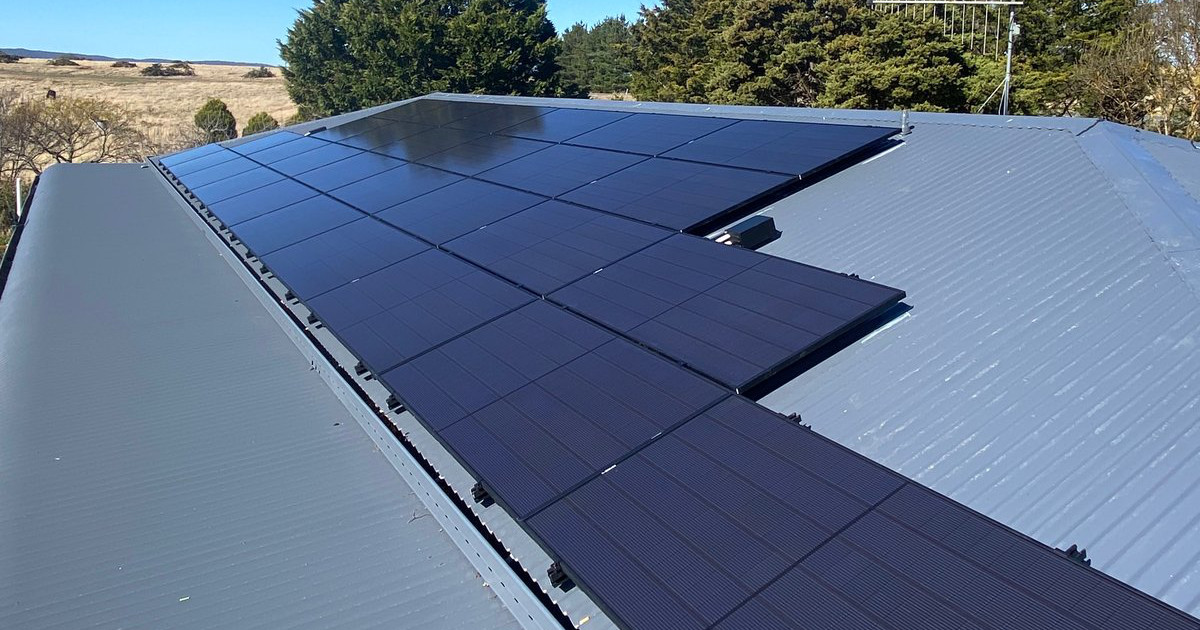
In recent years, there has been a growing interest in renewable energy sources as individuals and communities seek sustainable alternatives to traditional power grids. One such option that has gained popularity is off-grid solar power. This article aims to provide you with a comprehensive and informative guide to help you determine if off-grid solar power is the right choice for your energy needs.
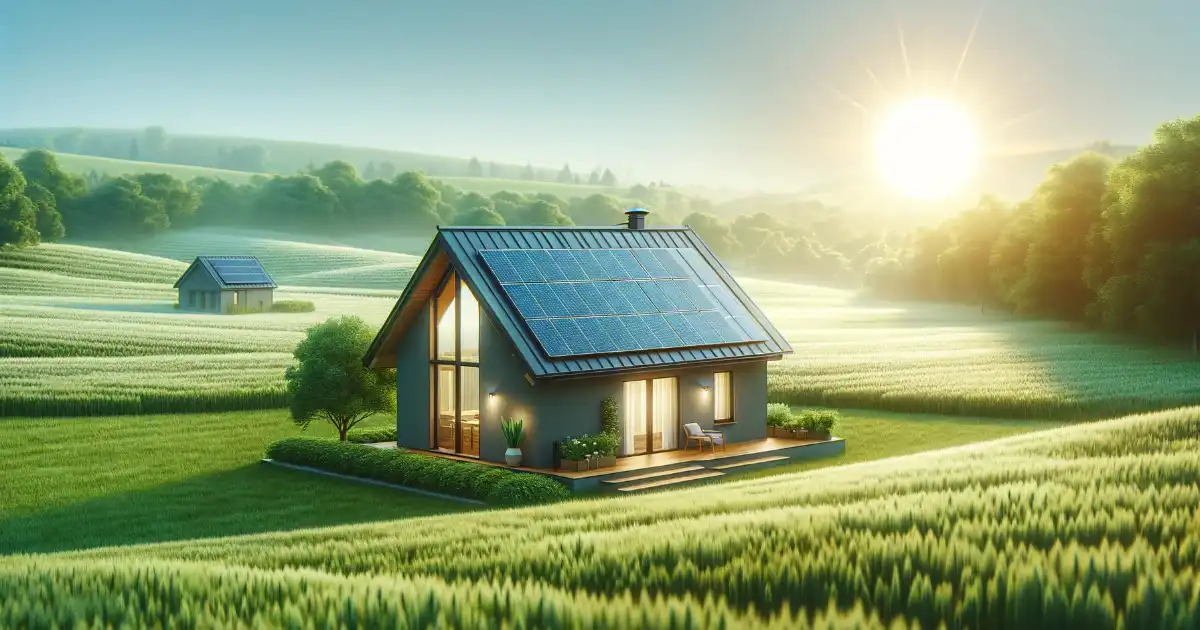
Living off-grid means independence from the main power grid, large power companies, and substantial electricity bills. This lifestyle is becoming increasingly appealing due to rising electricity costs and a growing desire for sustainable living. In Australia, where sunlight is abundant, solar technology provides a viable alternative to traditional energy sources. This shift is evident in both urban and remote areas, where advancements in solar technology are enabling more Australians to embrace off-grid living.
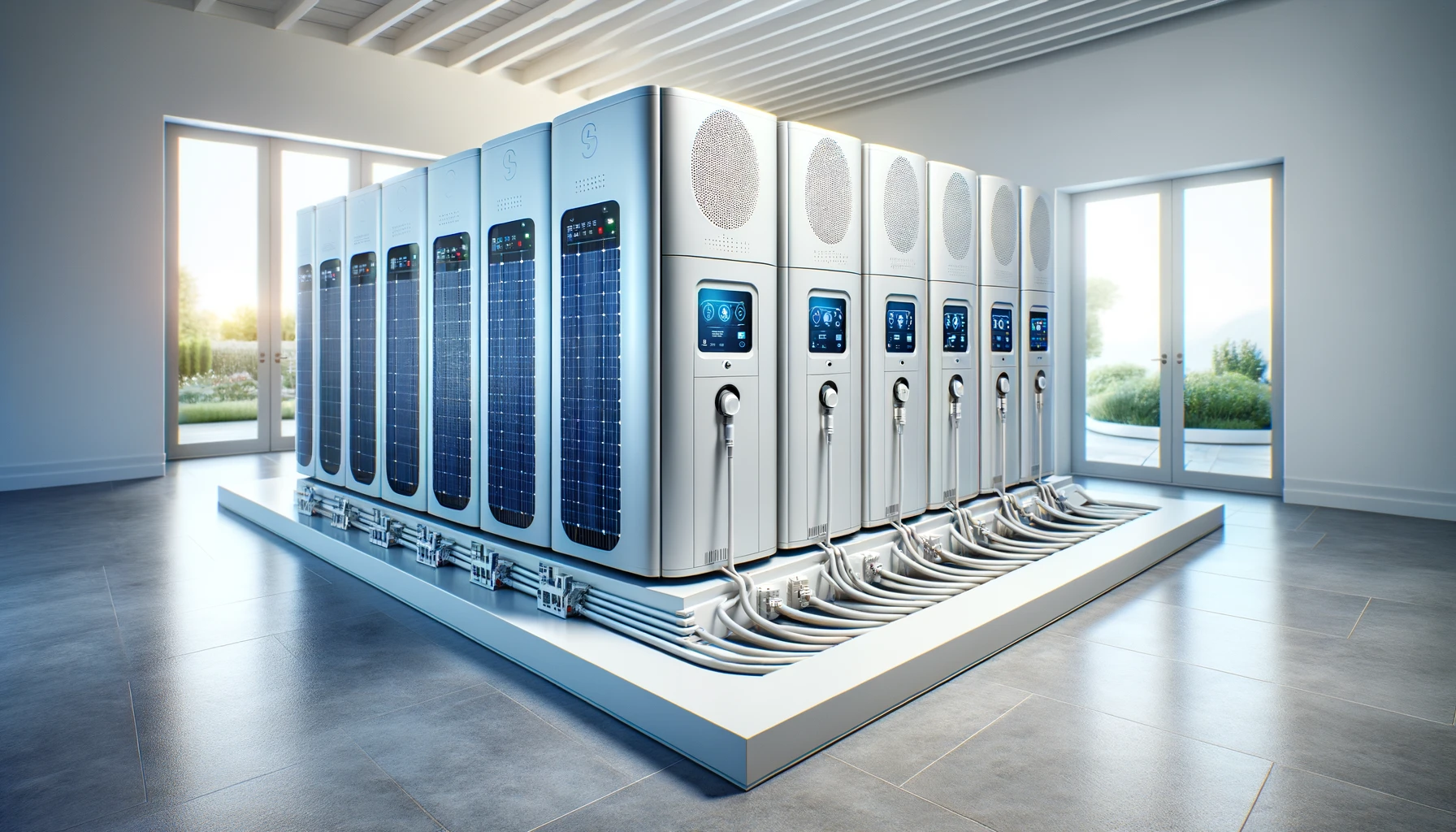
As Australians continue embracing renewable energy, solar power systems have become a popular choice. This article aims to clarify the intricacies of these systems and the significance of battery storage and help you make informed decisions about your energy consumption.
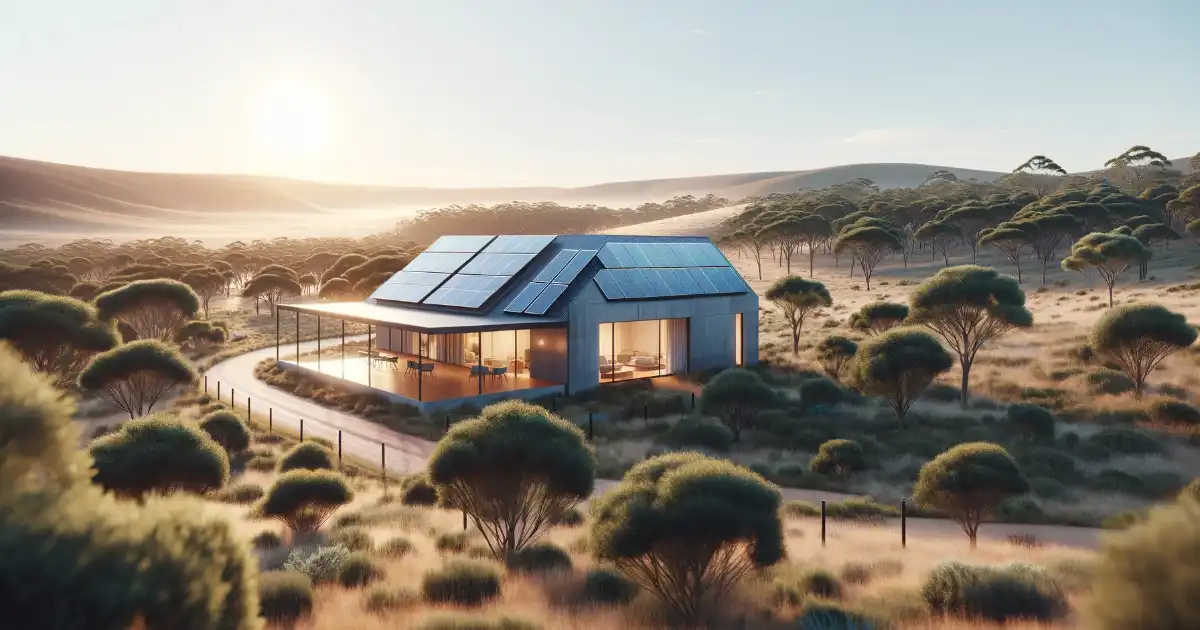
Off-grid solar and standalone power systems are nothing new in Australia. Farmers, station owners and remote communities have depended on them for decades, often because there was no grid to plug into in the first place. Diesel generators, battery banks and oversized solar arrays were simply the cost of doing business or living in the bush.
What’s changed is who’s now thinking about going off-grid. As renewables have gone mainstream and “saving the planet” has become part of everyday conversation, more households—many of them suburban or semi-rural—are at least flirting with the idea. The pitch is seductive: ditch the grid, run your own system, be independent, beat the system!, No bills, no retailers, no price shocks.
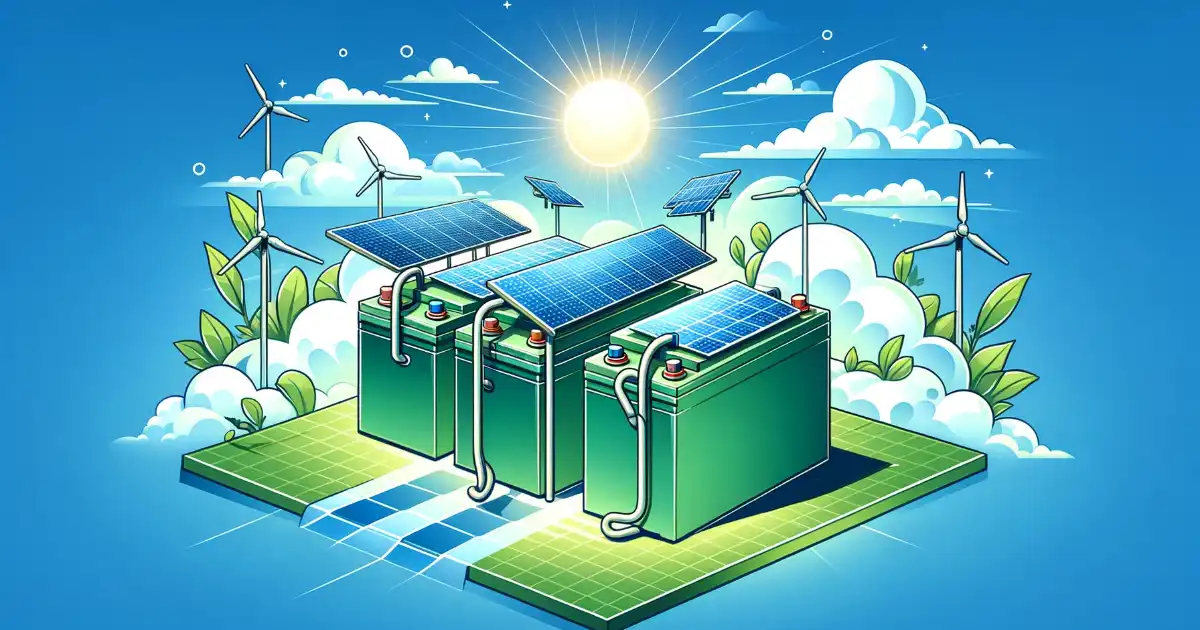
In contemporary off-grid solar power systems, deep cycle batteries are indispensable. Unlike conventional car starter batteries that provide short, intense bursts of power, deep cycle batteries are engineered for prolonged discharging, making them ideal for consistent energy supply in solar installations.
Solar charge controllers are crucial components in solar power systems, responsible for regulating the voltage and current from solar panels to batteries. They play a key role in preventing overcharging, undercharging, and deep discharge, thereby prolonging battery life. Additionally, they provide load control and often include features like lighting control and system monitoring.
Living off the grid has become an increasingly popular lifestyle choice for many Australians. One key aspect of off grid living is the use of off grid solar power systems, which provide a sustainable and reliable source of electricity. In this article, we will explore the ins and outs of off grid solar power systems, their components, advantages, and considerations for implementation.
Free calculators and comparison tools to help you make a smarter solar or battery purchase.
Open ToolsFree calculators and comparison tools to help you make a smarter solar or battery purchase.
Open Tools