Compare Quotes from Trusted Installers Near You
Compare Quotes from Trusted Installers Near You

Solar Victoria continues to strengthen consumer protections through its Solar Homes Program, focusing on ensuring that households opting for energy-efficient hot water systems receive high-quality products and services. As demand for heat pump hot water systems surges across the state, the organisation is taking decisive steps to uphold stringent industry standards for both retailers and installers, safeguarding consumers while promoting sustainable energy solutions.

Green hydrogen is emerging as a powerful solution in the fight against climate change, with the potential to decarbonise key industries worldwide, including in New Zealand. Produced by electrolysis using renewable energy, green hydrogen (GH2) generates significantly lower greenhouse gas emissions compared to grey hydrogen, which is derived from fossil fuels without carbon capture. However, the road to widespread adoption is fraught with challenges, particularly in cost and infrastructure.
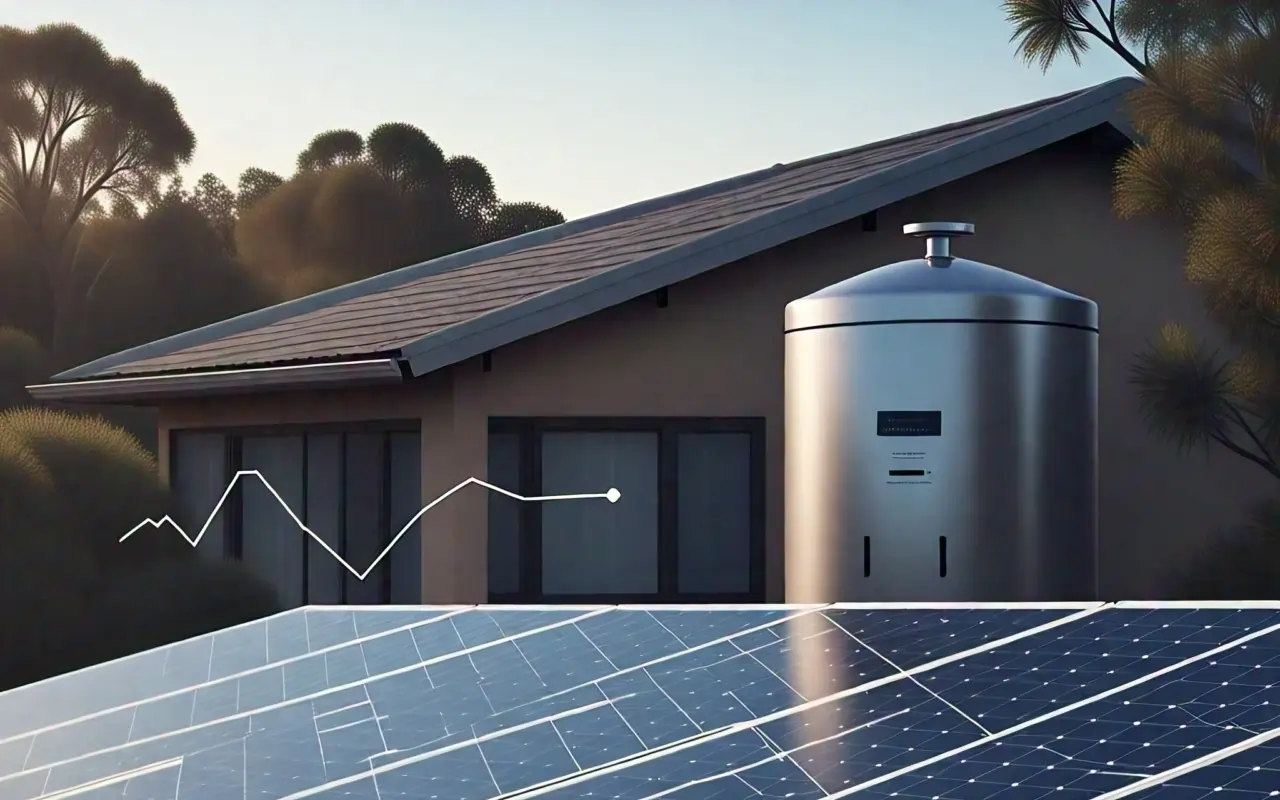
If Australian households switched their hot water heaters to run off daytime solar power, it could lead to significant reductions in carbon emissions and lower energy bills, while maximising the benefits of cheap, abundant solar energy. Hot water heating is responsible for 15-30% of a home’s total energy consumption, second only to heating and cooling systems. A large proportion of Australian households use electric water heaters with storage tanks, which act like thermal batteries, storing more energy than many home battery systems. Traditionally, these heaters have operated during off-peak hours overnight, but shifting them to run during the day could help soak up excess solar energy, reducing waste and better matching supply and demand.
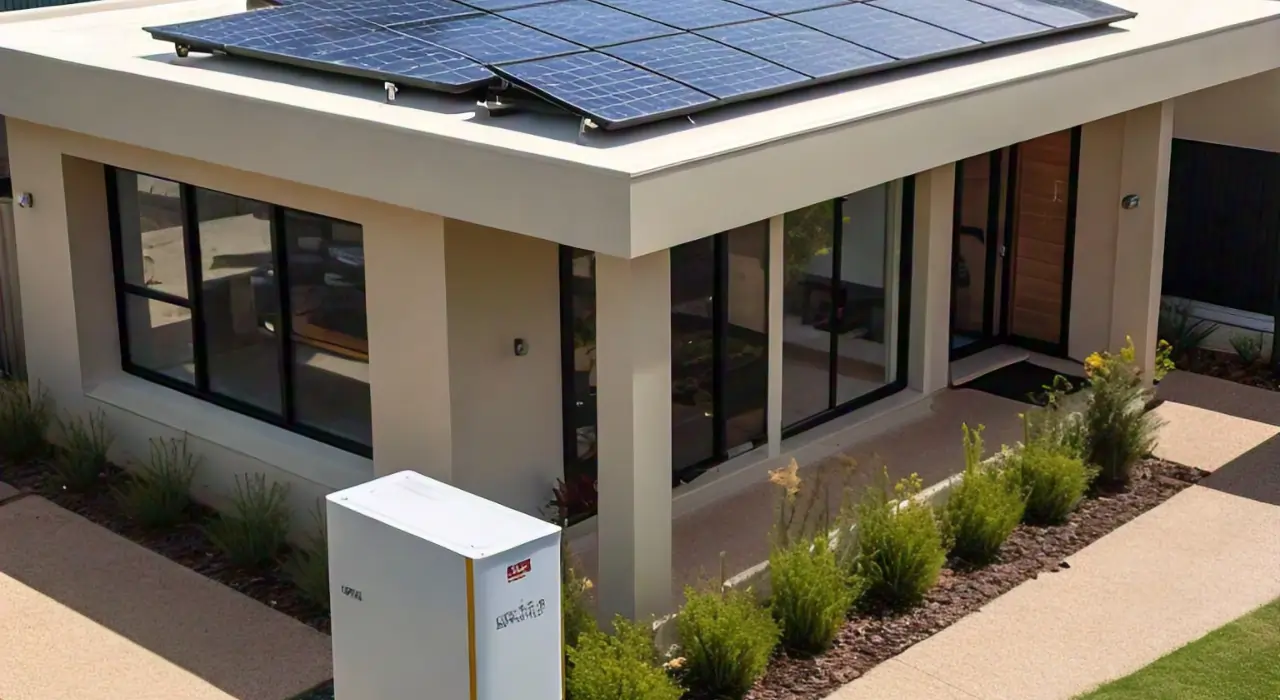
Starting November 2024, New South Wales residents and small businesses can access a new government incentive aimed at lowering the cost of battery storage installations. This initiative supports renewable energy adoption, reduces electricity bills, and helps the state achieve its ambitious environmental goals, including a 70% emissions reduction by 2035 and net-zero by 2050.
Free calculators and comparison tools to help you make a smarter solar or battery purchase.
Open ToolsFree calculators and comparison tools to help you make a smarter solar or battery purchase.
Open Tools