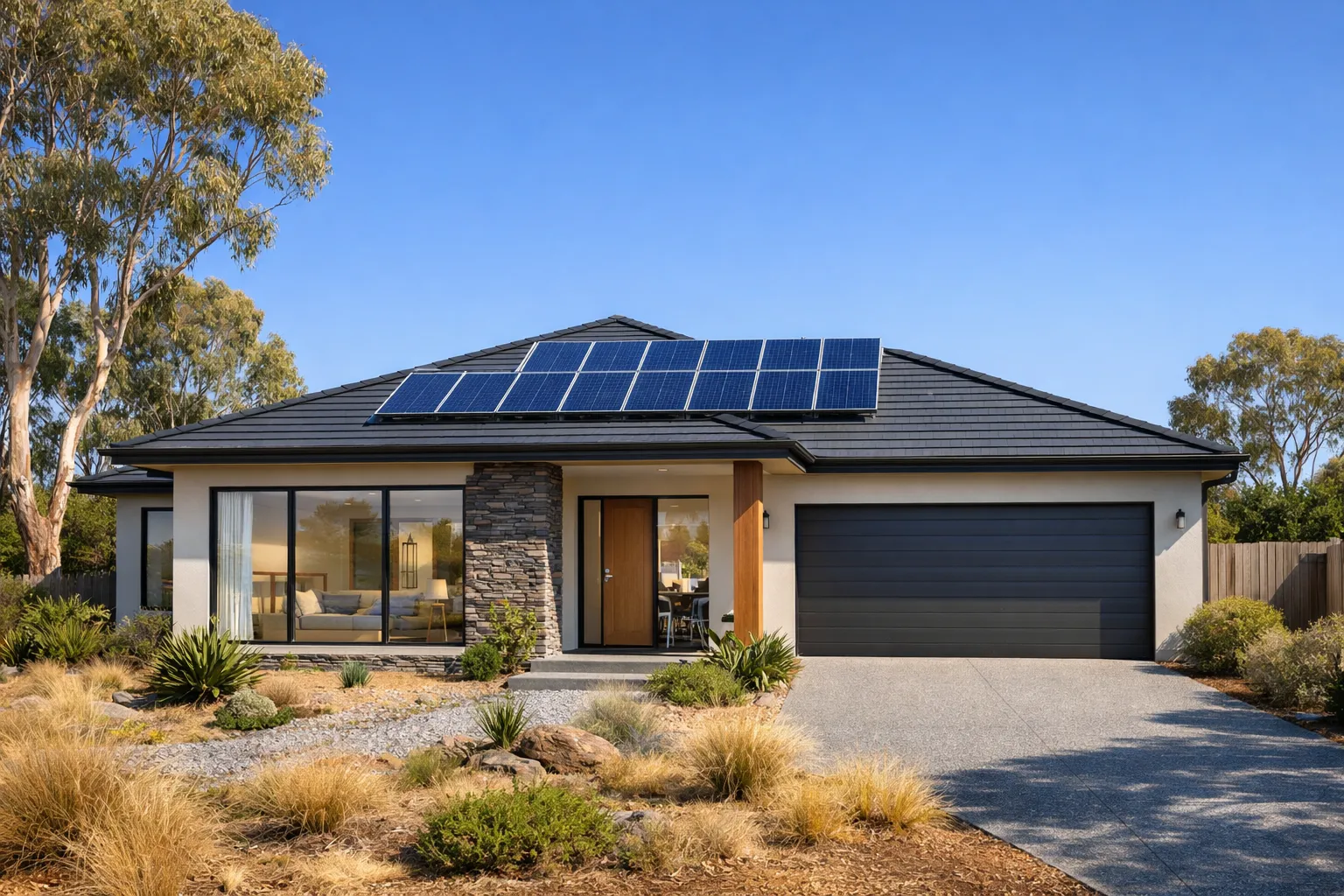
By 2025, the conversation around household energy in Australia has shifted from whether to go solar, to how well everything works together. Solar panels, air conditioning, batteries, insulation and smarter usage habits are no longer separate decisions. They’re parts of the same system, and when they’re aligned, the financial and comfort benefits are hard to ignore.
What follows is a practical, plain-spoken look at how solar PV and residential cooling intersect in today’s Australian energy landscape—where the wins are real, where expectations need adjusting, and why education matters just as much as hardware.
Cooling Choices Still Come Down to Climate
Air conditioning efficiency is dictated as much by geography as technology. Australia’s climate spread means no single system suits everyone.
Reverse Cycle (Refrigerant-Based) Systems
Reverse cycle air conditioners dominate most of the country, and for good reason. Modern inverter-driven units regularly deliver three to five units of heating or cooling for every unit of electricity consumed. They also dehumidify as they cool, which makes them especially effective in coastal and humid regions like NSW and Queensland.
For solar households, their predictable daytime power draw makes them an excellent match for rooftop PV.
Evaporative Cooling
Evaporative coolers use a fraction of the electricity of reverse cycle systems, but only shine in hot, dry conditions. Perth, Adelaide and parts of inland Victoria are ideal. In humid air, they struggle—and can make indoor conditions worse.
The key mistake is assuming “lower power” always equals “better”. In the wrong climate, evaporative cooling wastes both water and money.
Electricity Prices: Why Solar Self-Consumption Matters More Than Ever
Retail electricity pricing in 2025 remains wildly inconsistent between states. South Australia continues to sit at the expensive end of the spectrum, while southeast Queensland benefits from lower average tariffs.
What is consistent nationwide is the collapse of generous feed-in tariffs. Exporting excess solar energy now earns a few cents per kilowatt-hour, while importing power can cost six times that.
That imbalance changes behaviour. Using your own solar—especially for air conditioning during the middle of the day—is now far more valuable than selling it back to the grid. Shifting even a portion of cooling load into daylight hours can shave years off a system’s payback period.
System Design: Splits, Ducted and the Reality of Power Draw
Split and Multi-Split Systems
Single split systems remain the sweet spot for most homes. They’re efficient, affordable, and easily supported by common 6.6 kW solar arrays. A typical bedroom or living room unit often runs comfortably on solar alone through much of the day.
Multi-split systems add flexibility but at the cost of higher peak demand. They work best when paired with larger solar systems and good load management.
Ducted Air Conditioning
Ducted systems deliver whole-home comfort, but they’re unforgiving of poor design. Long duct runs, oversized units and no zoning can turn them into energy hogs.
The good news is that modern zoning controls mean large systems don’t have to run flat-out. Cooling only the rooms you’re using brings ducted air conditioning back into alignment with mid-day solar output—provided the house itself isn’t leaking heat.
The Bit Everyone Underrates: The Building Envelope
If there’s one constant across every solar and air-conditioning discussion, it’s this: insulation and sealing do more heavy lifting than almost any appliance.
Research consistently shows that upgrading from poor or non-existent insulation to a well-sealed thermal envelope can cut heating and cooling demand nearly in half. That reduces the size—and cost—of everything downstream: air conditioners, solar arrays and batteries.
Reflective roof sarking, correctly installed bulk insulation and basic air-sealing are still missing from far too many Australian homes, despite stricter energy standards on paper.
The problem isn’t just regulation; it’s workmanship and enforcement. Builders can meet minimum codes while delivering homes that are expensive to live in and difficult to retrofit later.
Solar System Sizing: Bigger Isn’t Always Silly Anymore
The “standard” Australian solar system has quietly grown. Where 5 kW once ruled, 6.6 kW to 10 kW systems are now common, driven by air conditioning, electrification and falling panel costs.
Oversizing panels relative to the inverter—within Australian standards—helps stretch solar production into the morning and afternoon, exactly when cooling demand ramps up. It’s one of the simplest ways to improve air-conditioning self-consumption without touching behaviour.
Batteries: Useful Tool, Not a Silver Bullet
The expanded federal battery incentives in late 2025 have reignited interest in storage, and for good reason. Rebates have pulled battery payback periods into territory that finally makes sense for many households.
But cheaper hardware doesn’t excuse poor advice. Oversized batteries, rushed installs and no-one answering the phone after commissioning are becoming familiar stories.
Events like those hosted by Smart Energy Council have highlighted the growing need for honest customer education—not just sales momentum. Batteries are powerful tools when correctly sized and configured, and expensive mistakes when they’re not.
Behaviour Beats Brute Force: Pre-Cooling Works
One of the smartest solar strategies costs nothing: pre-cooling.
Running air conditioning gently through the late morning uses abundant solar power to cool the building’s internal mass—air, furniture, walls—before peak afternoon heat arrives. Well-insulated homes then coast through the evening with minimal extra energy.
Poorly sealed homes can’t hold that “coolth”, which again brings us back to insulation doing the real work behind the scenes.
Maintenance: Know What You Can Touch
There’s plenty homeowners can do safely—cleaning filters, clearing debris around outdoor units, checking for shade on panels.
But refrigerants, electrical connections and inverter diagnostics are not DIY territory. Australian regulations exist for a reason, and cutting corners here risks safety, performance and insurance cover.
A small amount of professional maintenance every couple of years protects thousands of dollars’ worth of equipment.
The Bigger Picture
The convergence of solar power and air conditioning in Australia isn’t about chasing gadgets. It’s about systems thinking.
Right-sized cooling, sensible solar design, good insulation and informed behaviour together deliver what people actually want: comfort, predictable bills and less exposure to retailer games.
As incentives begin tapering and energy pricing grows more complex, households that understand how their systems work—not just what they bought—will be the ones who stay ahead of the curve.
See you next year people and have a good Christmas, stay cool.