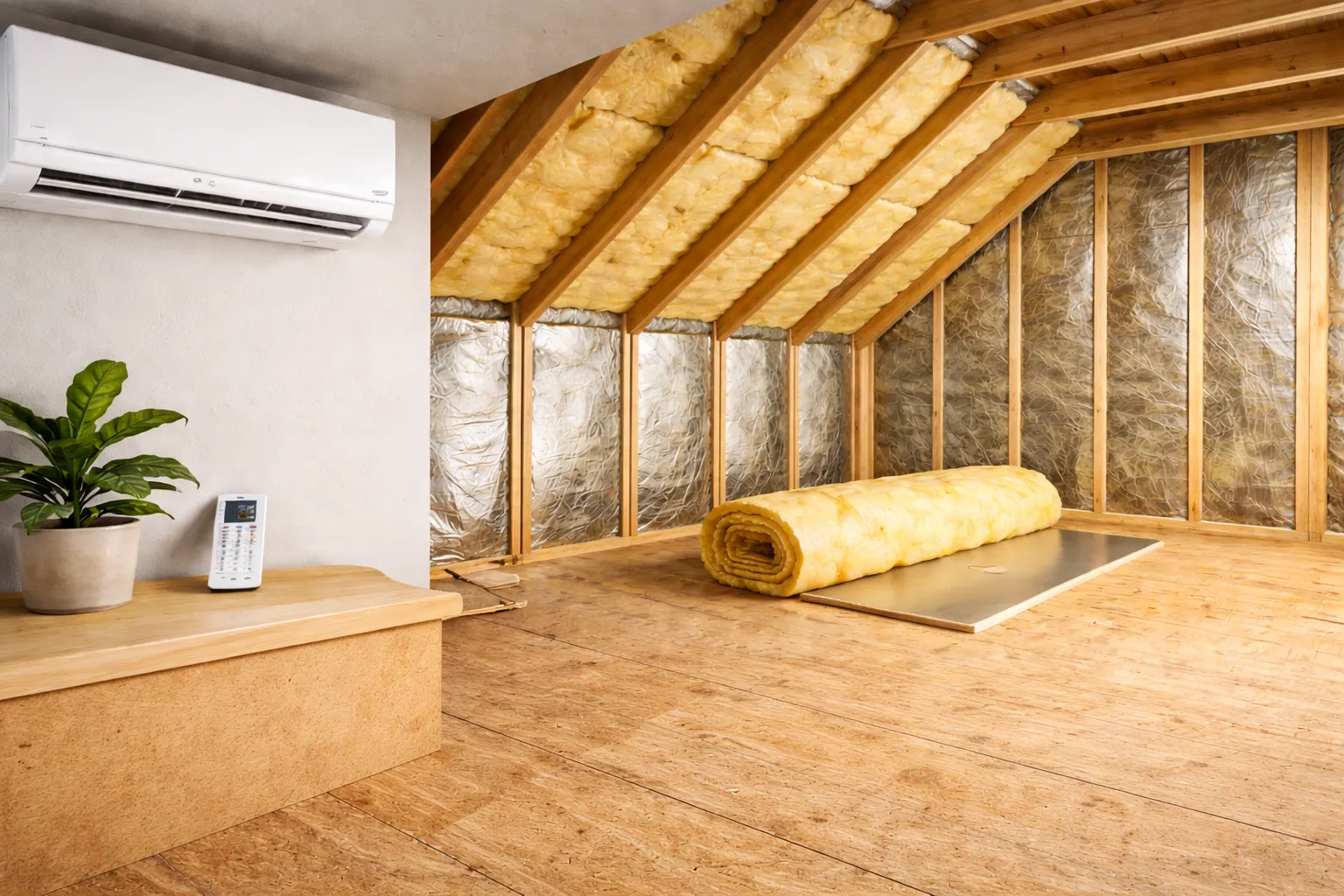
Australian households are paying more than ever for energy, yet plenty of homes are still uncomfortable — too hot in summer, too cold in winter, or both. The usual response is predictable: buy a bigger or newer air-conditioner, often a reverse-cycle system, and hope that fixes it.
For a lot of people, it doesn’t.
The problem is that heating and cooling systems are often blamed for issues that really belong to the house itself. If a home can’t hold warm or cool air, no appliance can work efficiently. Power bills climb, systems run constantly, and rooms never feel quite right. The air-conditioner cops the blame, even though it’s doing its best inside a leaky structure.
That’s where insulation, draught control and air sealing come in. Together, they form what’s known as the home’s thermal envelope. This envelope decides whether the energy you pay for stays inside long enough to keep you comfortable, or disappears almost as fast as it’s produced.
The house matters more than the air-conditioner
A simple way to think about this is a fridge with the door left open.
The motor runs flat out, power use goes through the roof, and yet it never reaches the temperature you set. Not because the fridge is broken, but because it can’t hold the cold.
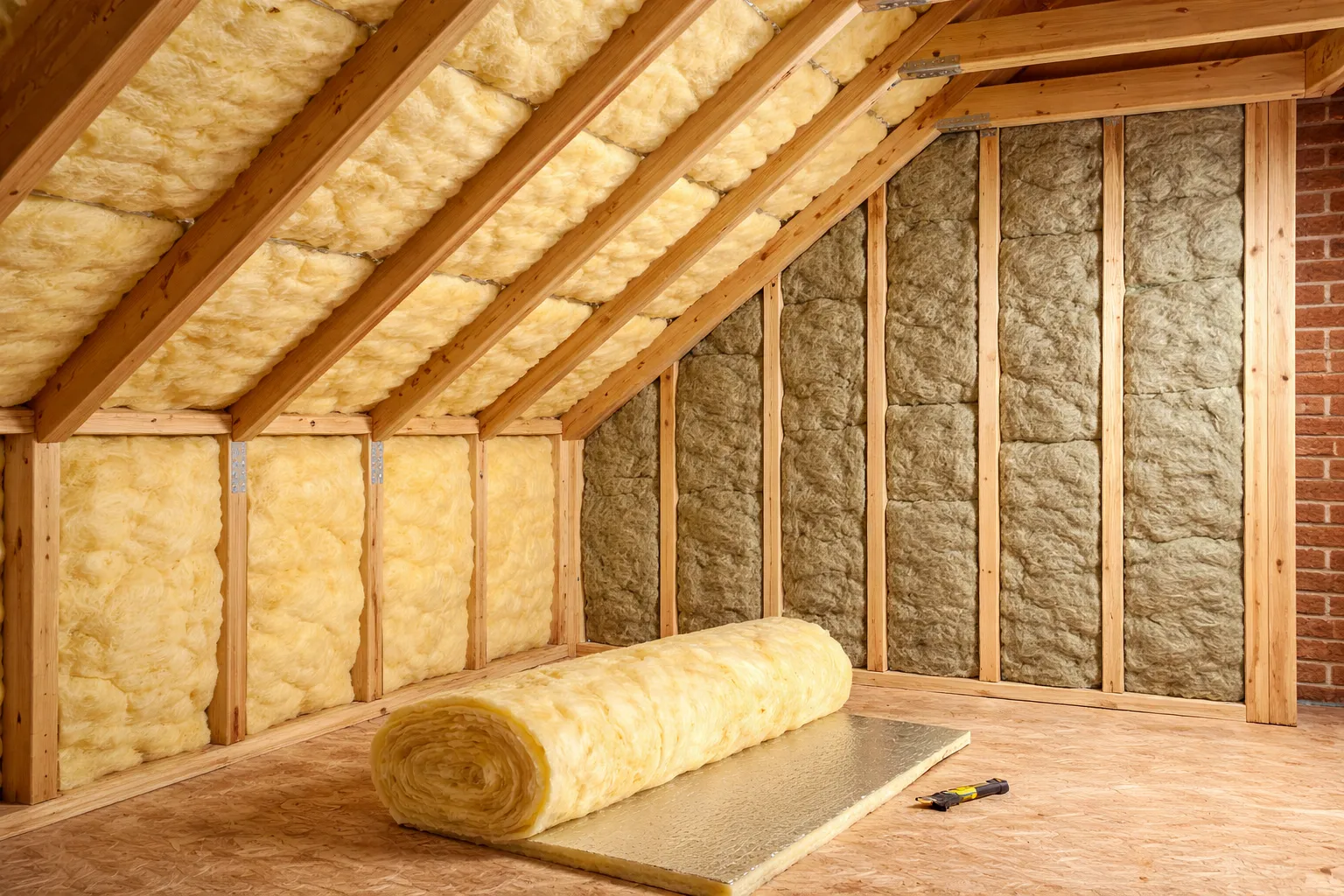
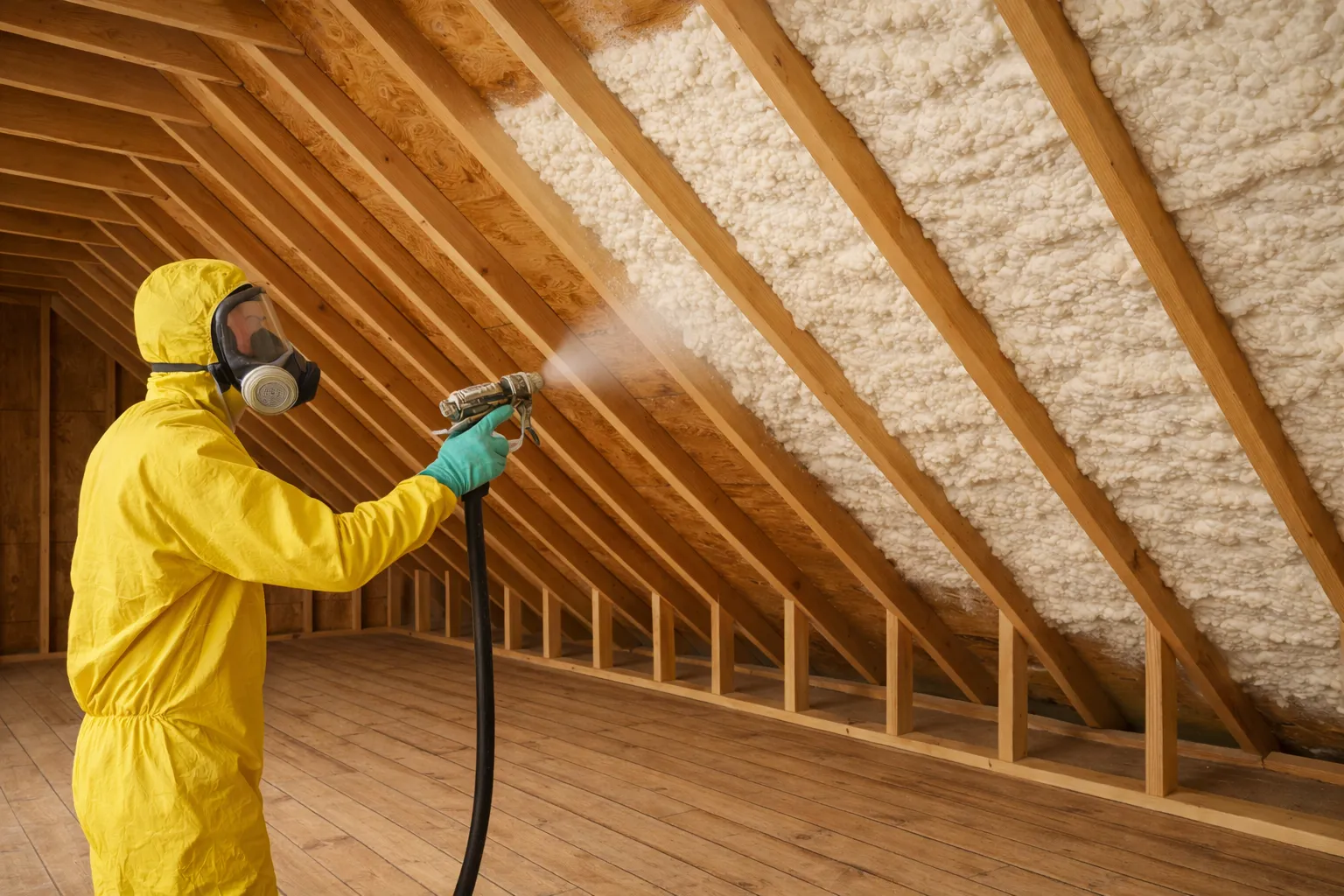
Homes work the same way. When insulation is missing or poorly installed, heat pours in through roofs and walls in summer and leaks out just as easily in winter. The air-conditioner ends up running harder and longer just to stand still.
This is why insulation does so much of the heavy lifting. Once it’s installed properly, it works around the clock without using electricity. In many older Australian homes — especially those built before modern efficiency standards — it’s either missing, thin, or badly fitted.
How sneaky heat gets in and out
Heat moves through homes in three main ways: conduction, convection and radiation.
Conduction is heat travelling through solid materials like roofs, walls and framing. Without insulation acting as a break, those materials simply pass heat straight through.
Convection is heat carried by moving air. Gaps around doors, windows and other penetrations let hot air in and cooled air out. Inside wall cavities, a process called convective looping can occur, where air circulates within the cavity and boosts heat transfer unless insulation stops it.
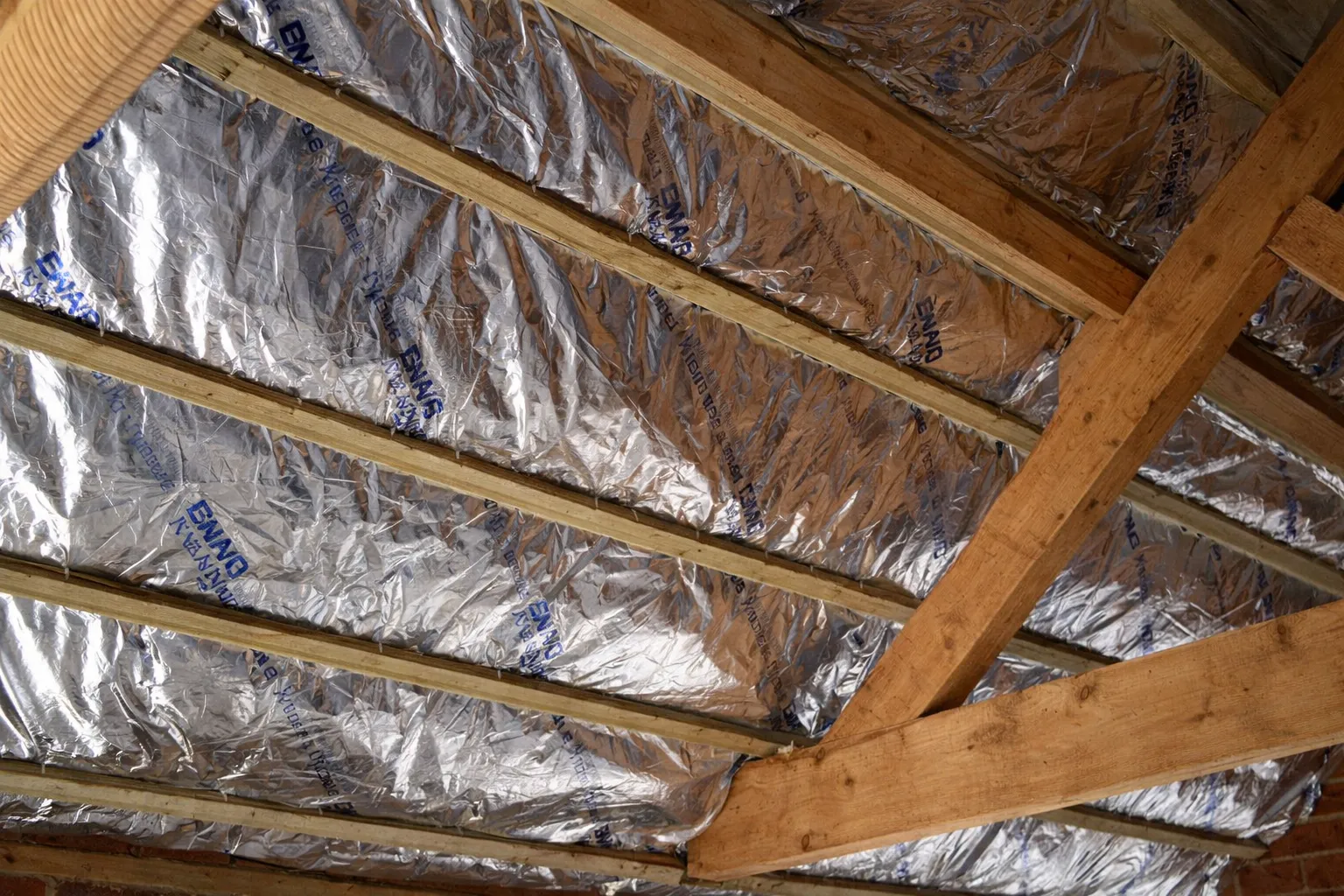
Radiation comes mostly from the sun. Roofs can get extremely hot and radiate heat into ceiling spaces and rooms below unless reflective layers or adequate insulation are in place.
Together, these are why roofs, walls, floors, windows and draughts account for most unwanted heat gain and heat loss in Australian homes.
A quick word on sealing and safety
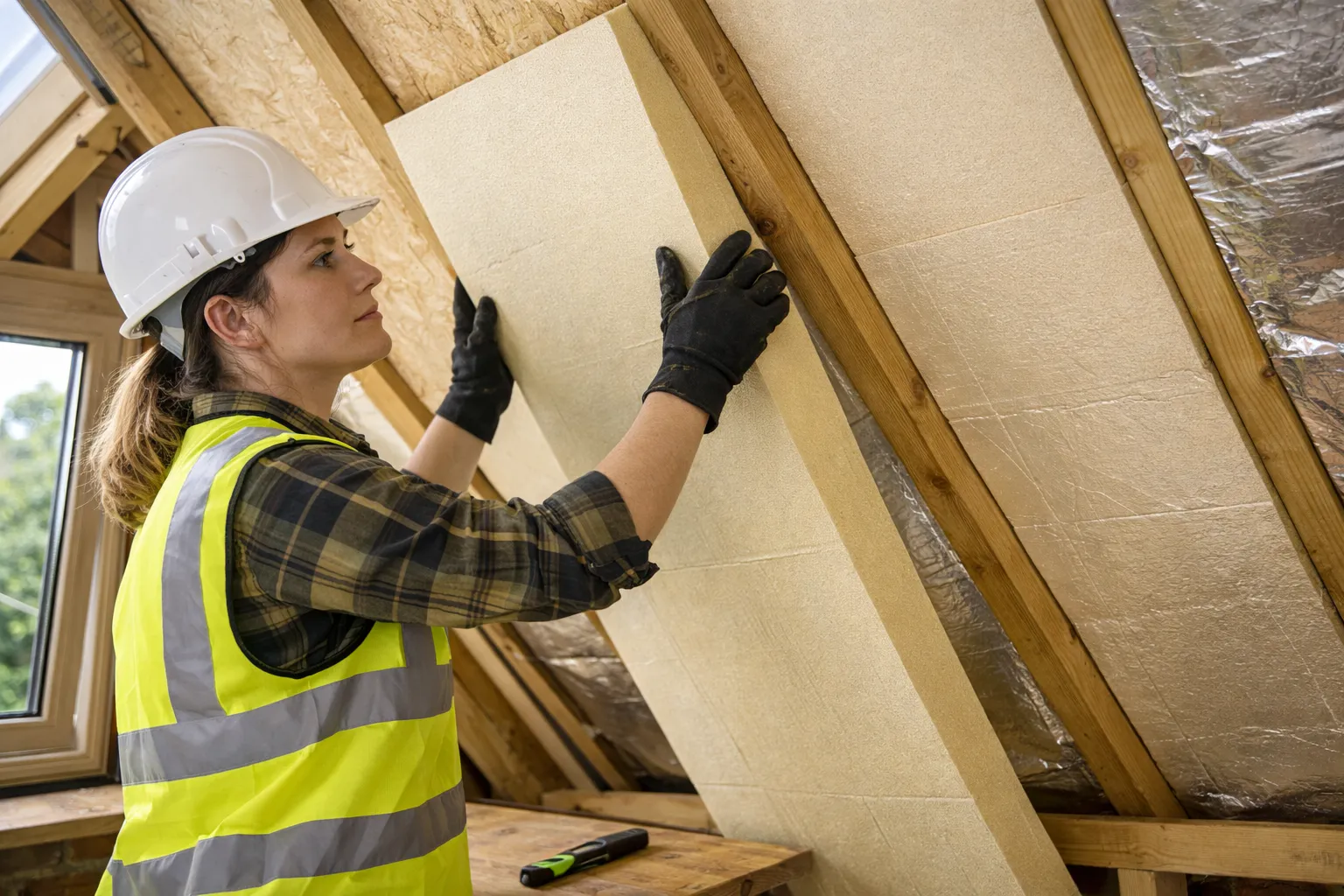
Sealing a home doesn’t mean turning it into an airtight box. People still need fresh air, and moisture and pollutants still need a way out.
It’s also important to be careful in homes with open-flued gas heaters or other older gas appliances. Changing airflow by sealing gaps can increase the risk of back-drafting, where exhaust gases are pulled back into the living space instead of going up the flue. If gas appliances are present, air-sealing should be assessed by a licensed gas fitter or suitably qualified building professional, with ventilation considered as part of the plan.
What happens when insulation is missing or ignored
In poorly insulated homes, heating and cooling systems are pushed into inefficient operating patterns.
Units get oversized to compensate. They cycle on and off more often, wear out faster, and still struggle to keep rooms comfortable. Temperatures become uneven, power bills rise, and people end up fiddling with the thermostat instead of fixing the real problem.
These aren’t equipment failures. They’re predictable outcomes of a building envelope that can’t contain the energy being supplied to it.
The money side of the equation
Improving insulation and reducing uncontrolled air leakage can cut heating and cooling energy use by up to 40–50 per cent. For most households, that’s hundreds of dollars a year.
Ceiling insulation is usually the best place to start. It’s where a large chunk of heat enters and leaves, and upgrades often pay for themselves within a few years. Given insulation can last decades, it’s one of the better long-term investments you can make in a home.
Understanding R-values (without the confusion)
In Australia, insulation requirements are set through the National Construction Code. Compliance is based on Total R-value, which includes all layers in a roof, wall or floor — not just the insulation product itself.
Insulation products are sold with a Product R-value, but that number alone doesn’t guarantee the building element meets the required Total R-value for your climate zone. It’s a common source of confusion, and one reason homes can technically “comply” on paper yet still perform poorly in reality.
Air-conditioning tips that actually help
Check and clean your filters
Most split systems and self-contained units have filters in the indoor unit where air is drawn in. Their job is to protect the internal heat exchanger and keep airflow moving.
If filters clog up with dust, performance drops fast. Cleaning them is usually as simple as rinsing under the tap and letting them dry. If your system runs a lot, checking them weekly isn’t overkill.
Avoid that musty “air-conditioned” smell
That stale smell some rooms get after heavy air-conditioning is usually about moisture. A good trick is to run the unit in fan-only mode for 10–20 minutes before switching it off. This helps dry out internal components where moisture tends to linger.
If smells persist, it’s time for a professional service — not DIY internal cleaning.
Don’t heat or cool space you’re not using
One of the easiest ways to waste energy is heating or cooling parts of the house you’re not actually using.
For example, I’ve got one large room that works as both my bedroom and my home office. The indoor air-conditioning unit is mounted at the same end of the room as my bed, which makes it easy to zone the space. In summer, when I like using air-conditioning overnight, I draw a thick curtain across the room and basically cut it in half. The bed stays on the same side as the unit, and the unused part of the room is curtained off.
Why spend money cooling a volume of space you’re not in? By reducing the amount of air the system has to deal with, it reaches the set temperature sooner and doesn’t need to run as long.
The same thinking applies throughout the house. Close doors to unused rooms. Section off areas where you can. Less air being conditioned means less energy used — and fewer dollars going out the door. It’s simple, but it all adds up.
The sensible way forward
The most effective approach is to treat the house and the air-conditioner as a single system.
Start with the building: seal draughts safely, improve insulation (especially the ceiling), and make sure ventilation suits the appliances in the home. Only then should you size or upgrade heating and cooling equipment. And of course run your air-conditioning on solar (when you can) — it’s a no-brainer. You do have solar, right? Well, that’s probably another story for another day.
This order matters. Get it right, and smaller, quieter systems can do the job comfortably and cheaply.
Close the fridge door!
As energy prices rise and temperatures become more extreme, relying on bigger air-conditioners alone will only get more expensive.
Homes with weak thermal envelopes force those systems to behave like a fridge with the door open — running constantly, wearing themselves out, and wasting energy that never delivers comfort.
The fix isn’t more machinery. It’s closing the fridge door.
Get the house right first, and heating and cooling systems stop fighting the building and start doing what they’re meant to do: keep you comfortable, without the bill shock.