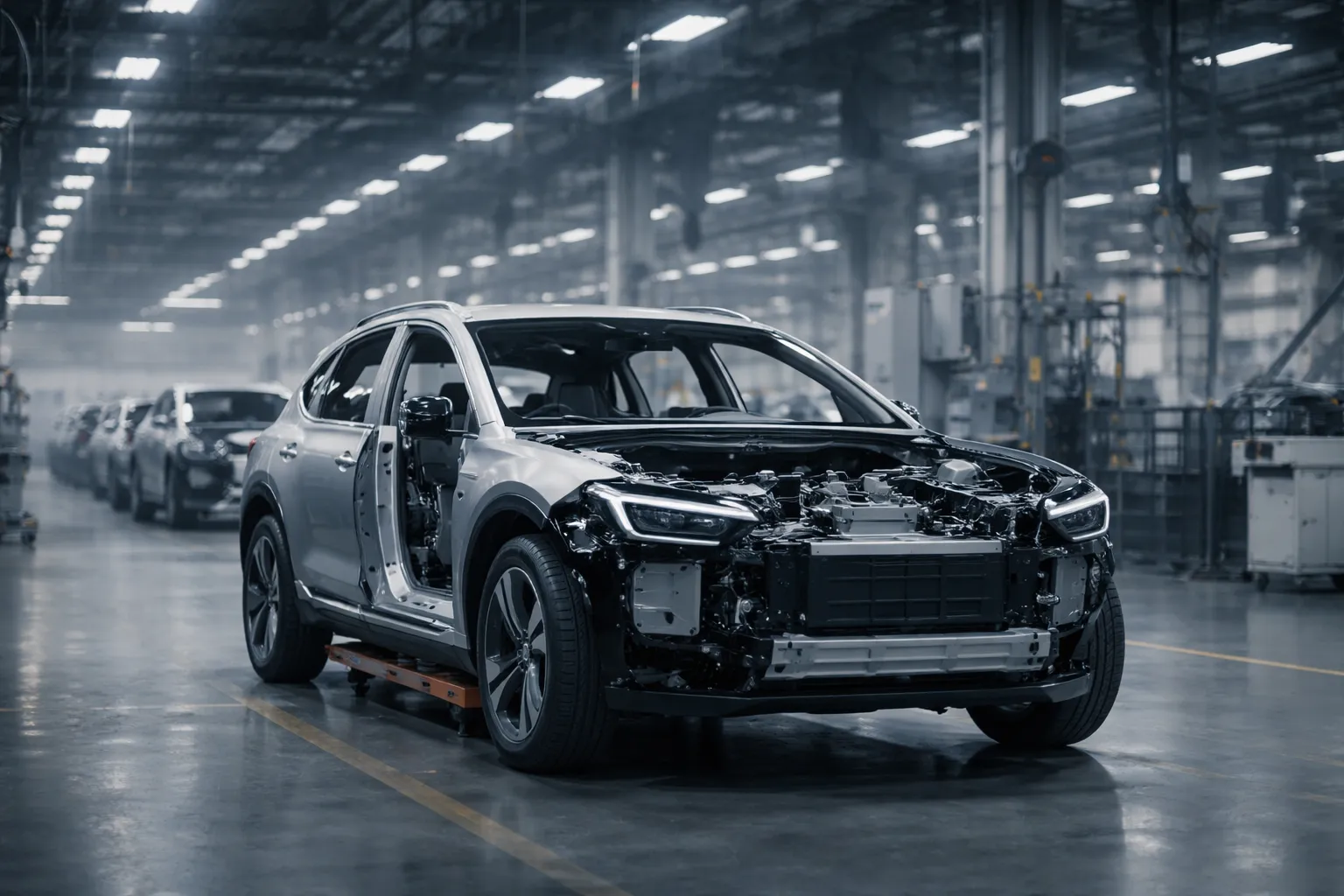
America’s push into electric vehicles was always going to be ambitious. Over roughly a decade, more than US$200 billion has been poured into EV factories, battery plants and supply chains, reshaping large parts of the US car industry. Much of that money flowed not to the old manufacturing heartlands of the Midwest, but into southern states that promised cheaper labour, generous incentives and faster approvals. The expectation was clear: jobs, regional development and a cleaner transport future all rolled into one.
That confidence has faded. Carmakers are now shelving or reworking EV projects, suppliers are cutting back, and the industry is quietly leaning back towards petrol engines and hybrids. Some analysts believe up to US$100 billion of investment may never earn its way back. For an industry used to gradual change, the scale and speed of this reversal is extraordinary.
For decades, the American South has been steadily attracting vehicle manufacturing. Lower wages, tax breaks and largely non-unionised workforces made the region appealing long before electric vehicles entered the picture. What the EV boom changed was the magnitude. States such as Georgia, South Carolina, Tennessee and Kentucky captured close to 40 per cent of all EV-related investment.
There was a political twist too. Many of these states are run by Republican governments, yet they became central players in a policy agenda closely linked to Democratic climate ambitions. Georgia in particular marketed itself as the future hub of electric mobility, winning commitments from major global manufacturers with the promise of incentives and long-term growth.
On the ground, the experience has been mixed. While construction has brought activity and optimism, communities have also felt the strain. Housing shortages, traffic congestion and pressure on local services arrived quickly. Job creation, meanwhile, has often lagged behind early forecasts, leaving some of the promised economic uplift slower to materialise.
The bigger problem has been demand. Around 2023, the global car industry was planning to roll out roughly 170 new electric models within a few years. Today, fewer than half of those plans are still alive. Projects have been delayed, downsized or quietly dropped.
Electric vehicle sales have continued to rise, but far more slowly than expected. At their peak, EVs made up just under 12 per cent of new US car sales, boosted by buyers rushing to secure a federal tax credit before eligibility rules tightened. Longer-term forecasts have since been revised down sharply. Where once analysts talked about EVs reaching around half of new car sales by 2030, many now expect something closer to the high teens.
That gap matters because factories and supply chains were built for much higher volumes. When those volumes failed to appear, the economics unravelled. Suppliers that invested heavily in electric drivetrains have had little choice but to redeploy staff and equipment back into petrol and hybrid components simply to keep plants running.
Government policy has played a major role in this volatility. Incentives tied to local manufacturing and battery sourcing were introduced, altered and, in some cases, effectively withdrawn within a short period. For carmakers, this kind of policy churn is toxic. Vehicle plants are planned and financed over decades, not election cycles. When the rules change mid-stream, business cases collapse.
The result has been a growing politicisation of electric vehicles themselves. What started as an industrial and environmental strategy has increasingly been framed as a cultural divide. Some consumers are keen early adopters, while others see little reason to move away from cheaper, familiar petrol vehicles backed by existing infrastructure.
As sales slowed, the financial reckoning followed. Several major manufacturers have taken multi-billion-dollar charges as they repurpose or mothball EV facilities. The issue is not simply weaker demand, but stranded capital: factories and machinery designed for high-volume EV output now sitting underused, dragging down returns and forcing uncomfortable conversations with investors, governments and workers.
In response, much of the industry has settled on a compromise. Hybrids, plug-in hybrids and extended-range electric vehicles are emerging as a practical middle ground. They offer emissions reductions without requiring consumers to fully commit to charging infrastructure or higher upfront costs.
This shift has brought some stability. Hybrid vehicles now account for a slightly larger share of new US car sales than full battery electrics, and their growth has been faster. Manufacturers with flexible factories have found this adaptability invaluable. Those that hedged their bets earlier are now feeling vindicated.
Pure EV makers face a tougher road. Without petrol or hybrid models to fall back on, they are far more exposed to price sensitivity and shifts in consumer sentiment. Slowing deliveries, trimmed product lines and ongoing capital needs have become defining challenges. While battery costs are expected to keep falling, price remains the biggest barrier to mass adoption.
Looking ahead, the electric vehicle story is far from finished. Technology continues to improve, costs are edging down and emissions rules in many markets still point firmly towards electrification. Most forecasts suggest EVs will eventually claim around a quarter of new US car sales by the end of the decade.
The lesson from the past few years is less about failure and more about overreach. The transition was oversold, rolled out too quickly and built on optimistic assumptions about policy stability and consumer behaviour. For now, hybrids and flexible manufacturing offer a bridge to the future. Whether the US auto industry can cross that bridge without repeating the same mistakes will shape its competitiveness for decades to come.
Article inspired by: Why The American EV Dream Is Falling Apart