Find Trusted Installers Near You & Compare Quotes
Find Trusted Installers Near You & Compare Quotes
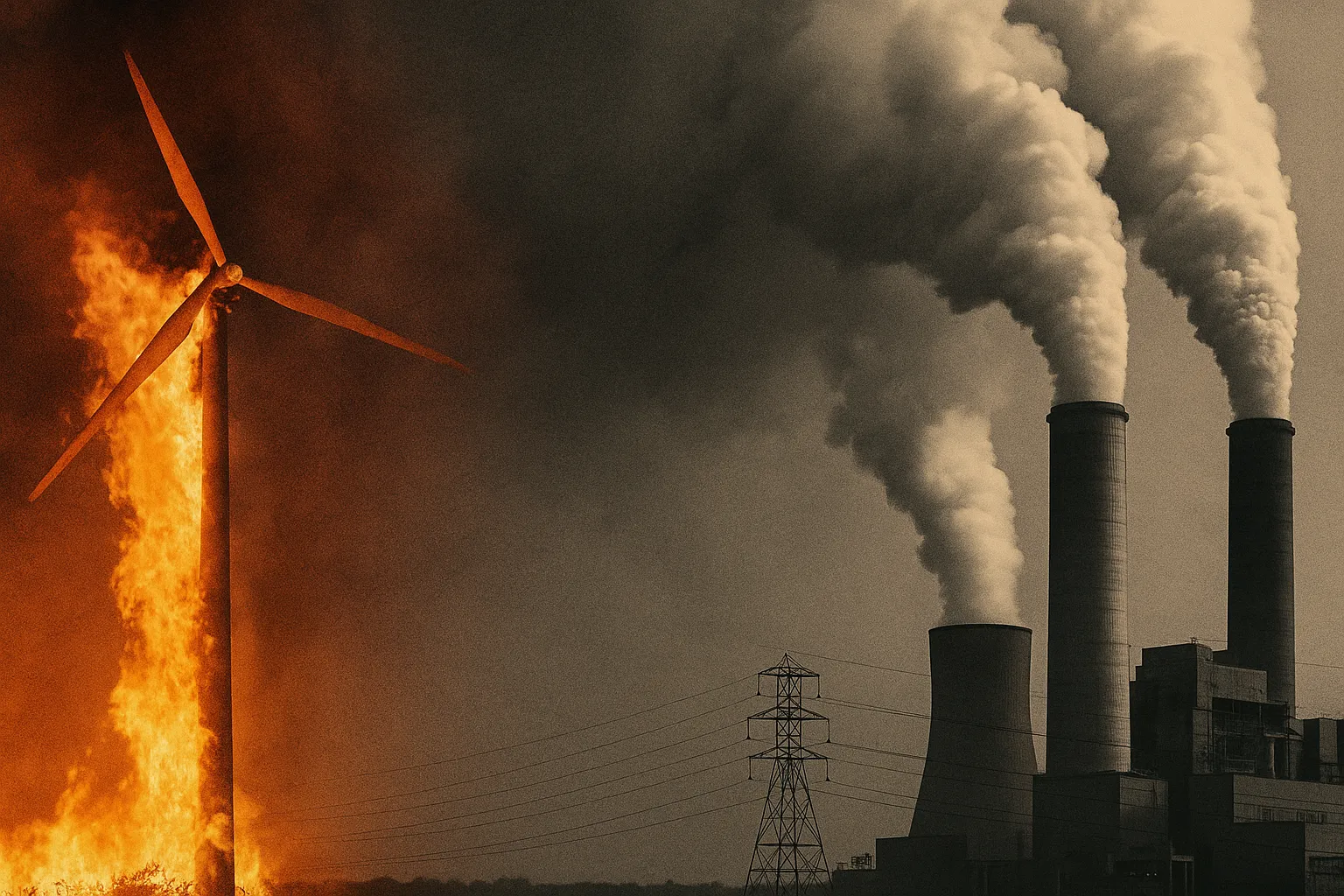
Public relations firms have become powerful allies of the fossil fuel industry, helping to spread climate misinformation that delays the transition to clean energy. From false claims about wind farms and electric vehicles to carefully crafted “grassroots” campaigns, these strategies are designed to confuse the public and sway policymakers. As Australia debates stronger climate policies, the role of PR firms in shaping public opinion is under scrutiny, raising the question of whether regulation is needed to curb their influence.
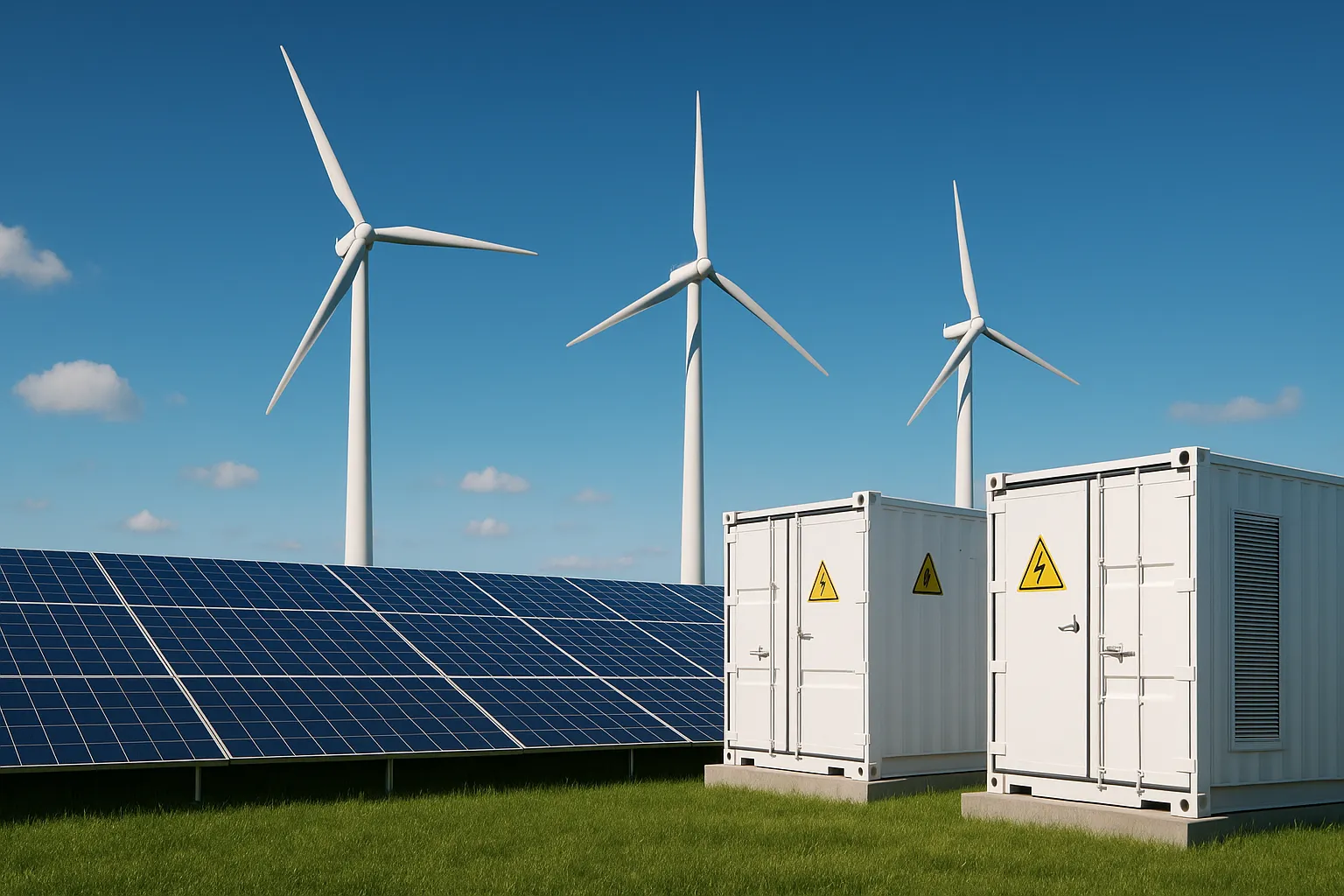
We’ve all heard it: the clean-energy transition is crawling along while coal, oil and gas keep the lights on. It’s a neat line—and a misleading one. Compared with past energy upheavals (muscle to wood, wood to coal, coal to oil), this shift is moving at record speed because the technology is now cheap, reliable and fast to roll out. Build solar, wind and batteries, and they immediately start squeezing fossil generation out of the system. Economics is doing the heavy lifting, not wishful thinking.
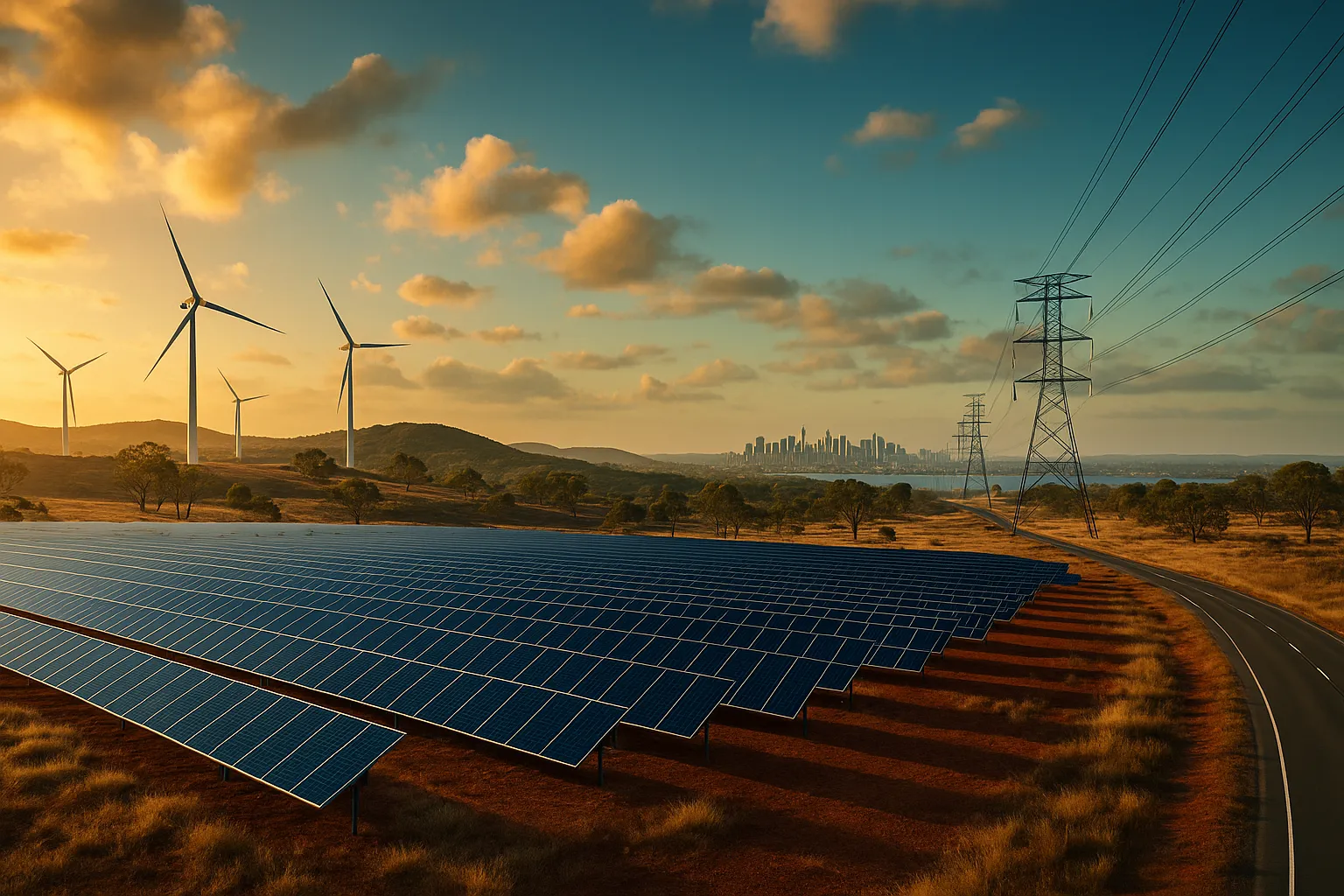
Australia is about to set its 2035 emissions-reduction target, likely somewhere between 65% and 75% (Climate Change Authority). For context, a 70% cut means shrinking national emissions from about 440 million tonnes of CO₂-equivalent to roughly 132 million tonnes (DCCEEW quarterly update). The headline numbers are big. The debate over cost versus benefit is bigger.

Australia is steering full throttle toward a cleaner, greener transport future—with the government aiming for net zero emissions by 2050, electric vehicles (EVs) are set to play a starring role. Whether it’s building better infrastructure, expanding choice, or cutting costs for buyers, the nation is putting the pedal down on its EV revolution.

Nearly 35 years ago, the Intergovernmental Panel on Climate Change (IPCC) released its first assessment report, highlighting the alarming rise in atmospheric carbon dioxide (CO₂) and other greenhouse gases due to human activities. Since then, global efforts have been underway to curb emissions through a variety of policies. But which strategies have truly worked?
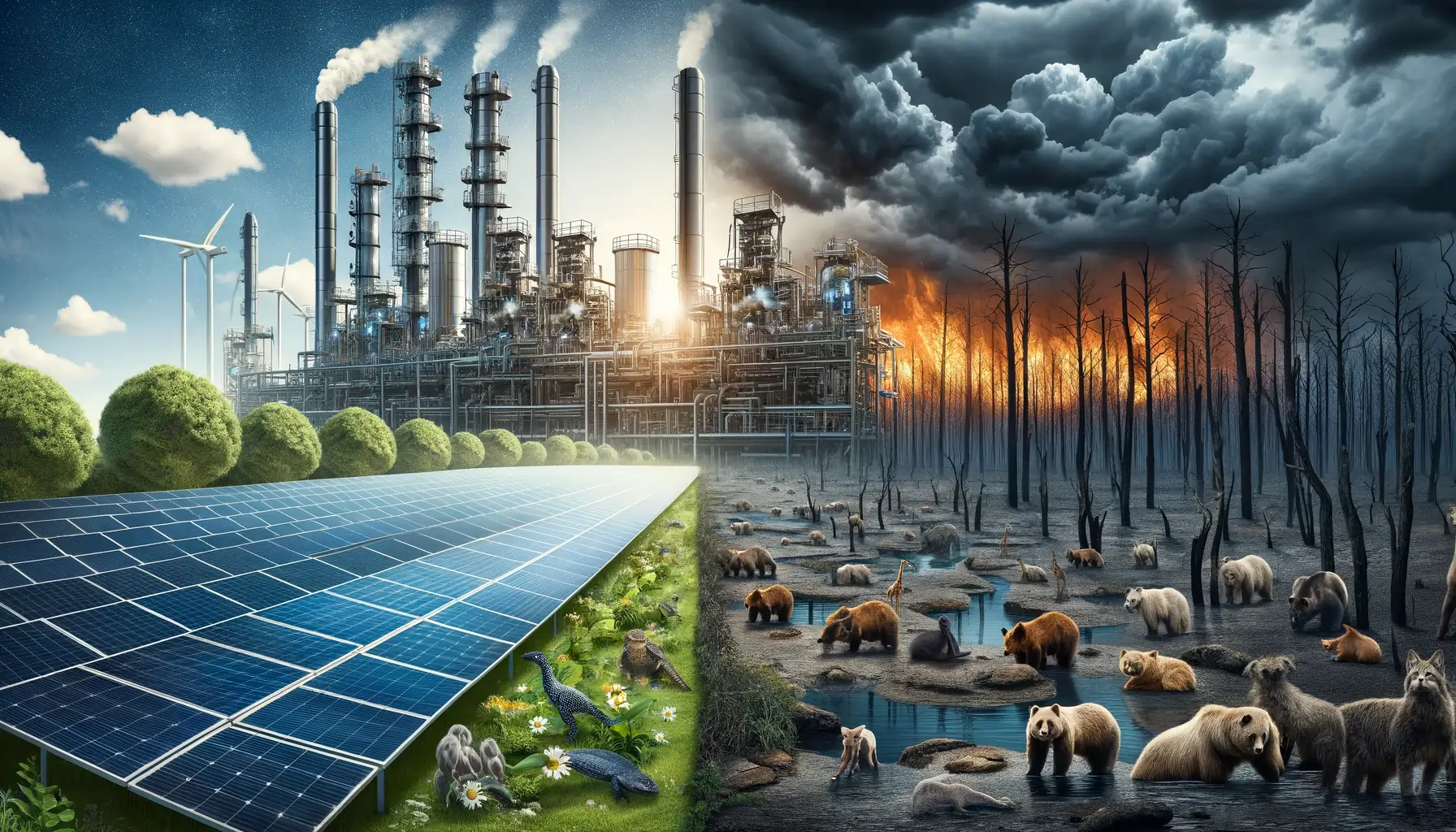
Australia's latest federal budget, presented last night, has left environmentalists and conservationists disheartened. While the budget introduces substantial subsidies for green industries, it falls short of addressing the immediate environmental crises that Australia faces. This budget represents another missed opportunity to make significant strides toward environmental protection and conservation.

Australia's tall, wet forests have long been the subject of debate and misunderstanding, particularly regarding their pre-colonial condition and how they should be managed today. Contrary to some popular beliefs and historical accounts that suggest these forests were once open and park-like, recent scientific research paints a much denser, lush picture. This new understanding has profound implications for conservation strategies and fire management practices.

Improving green technologies alone is not sufficient to address climate change. Significant lifestyle and behavioral shifts are also required. The disparity in wealth and resources between the wealthiest and poorest, both within and across nations, is a major obstacle in deploying climate change solutions like electric vehicles, solar power, and heat pumps. An article published in Nature Climate Change delves into why inequality is a major hurdle in achieving net zero emissions.

In the face of escalating climate challenges, Australian homes, many of which were constructed before the introduction of energy efficiency standards in 2003, are facing a critical juncture. These homes, often characterized by poor insulation and air leaks, have become energy-intensive, necessitating excessive use of heating and cooling systems. This not only burdens homeowners with high energy costs but also contributes significantly to environmental degradation.

Minister for Climate Change and Energy Chris Bowen’s annual climate change statement to Parliament today has highlighted climate change as a potential national and regional security risk and source of strain for national crisis coordination.
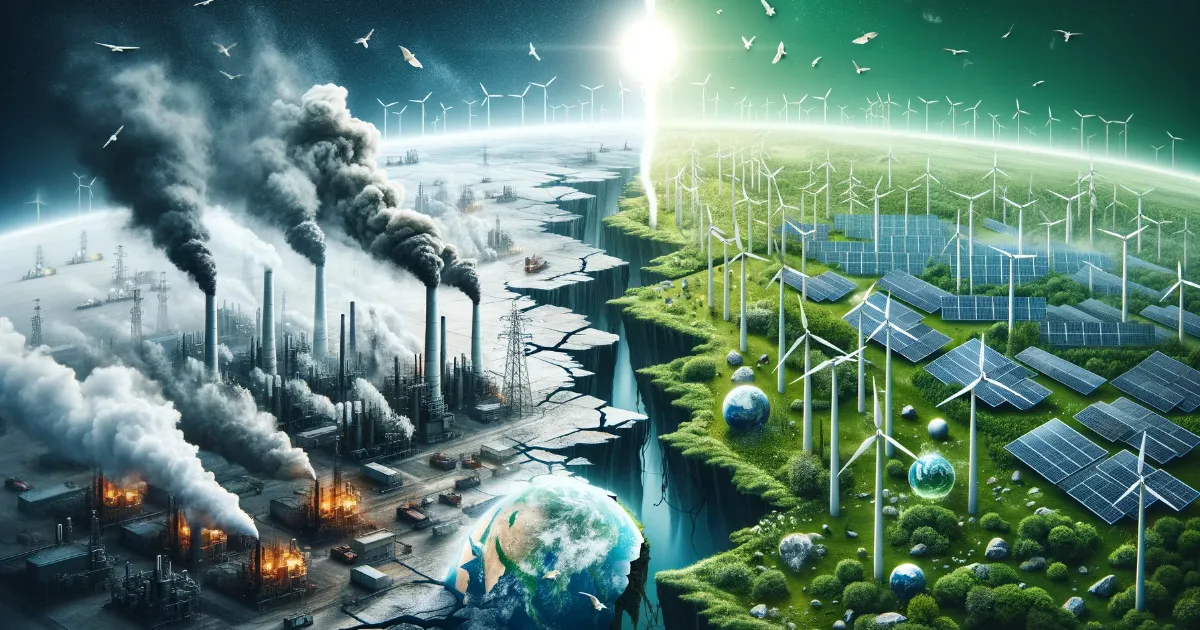
The world is increasingly recognising the need to transition away from fossil fuels. This shift is not only crucial for mitigating climate change but also for enhancing global security, as highlighted in recent discussions at COP28 in Dubai.
If you’re like most people, you’ve been taught that climate action is a sacrifice. Cutting emissions from fossil fuels, you’ve probably been told, is the economy-squeezing price we must pay for a livable planet. But our research explains why we should look at this issue through a different frame.
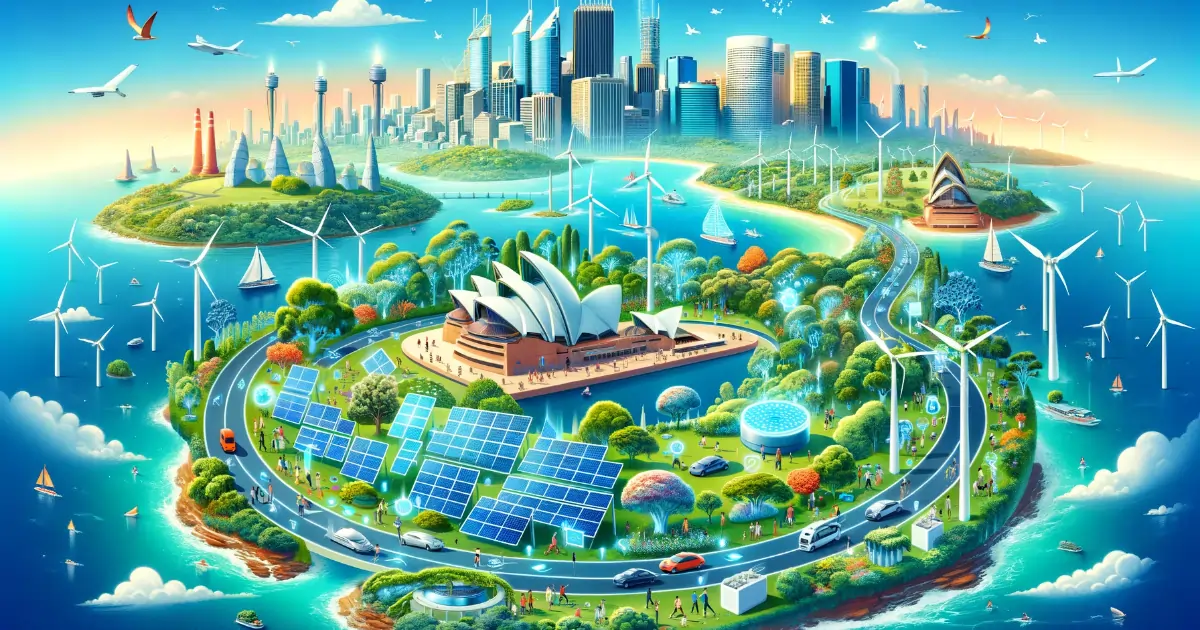
Every bit of warming matters if we want to avoid the worst impacts for climate change, as the latest report from the Intergovernmental Panel on Climate Change shows.
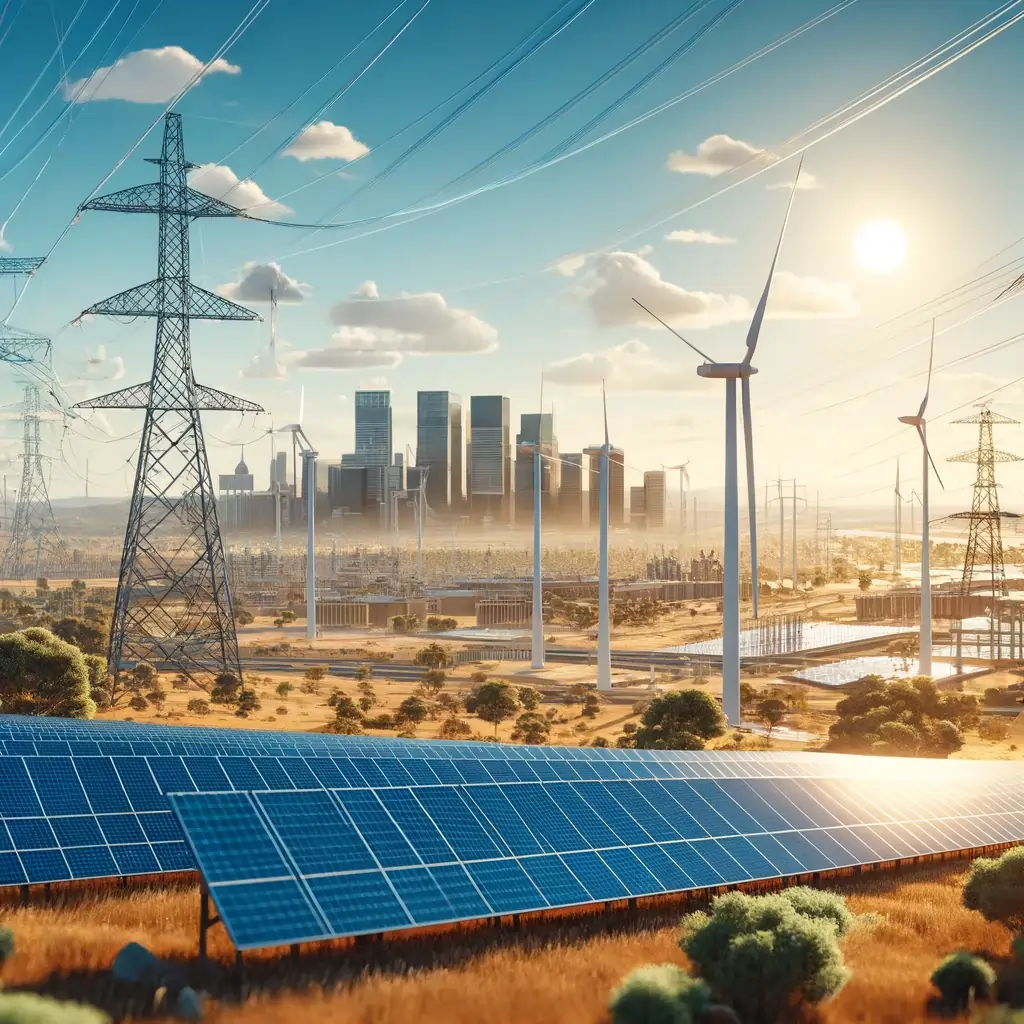
Australia has three ways it can help reduce world greenhouse emissions, the only reduction that matters in tackling climate change.

For those people focused on meeting the profound challenge of shifting our economies from fossil fuels to clean energy sources, recent headlines from Europe have made alarming reading.
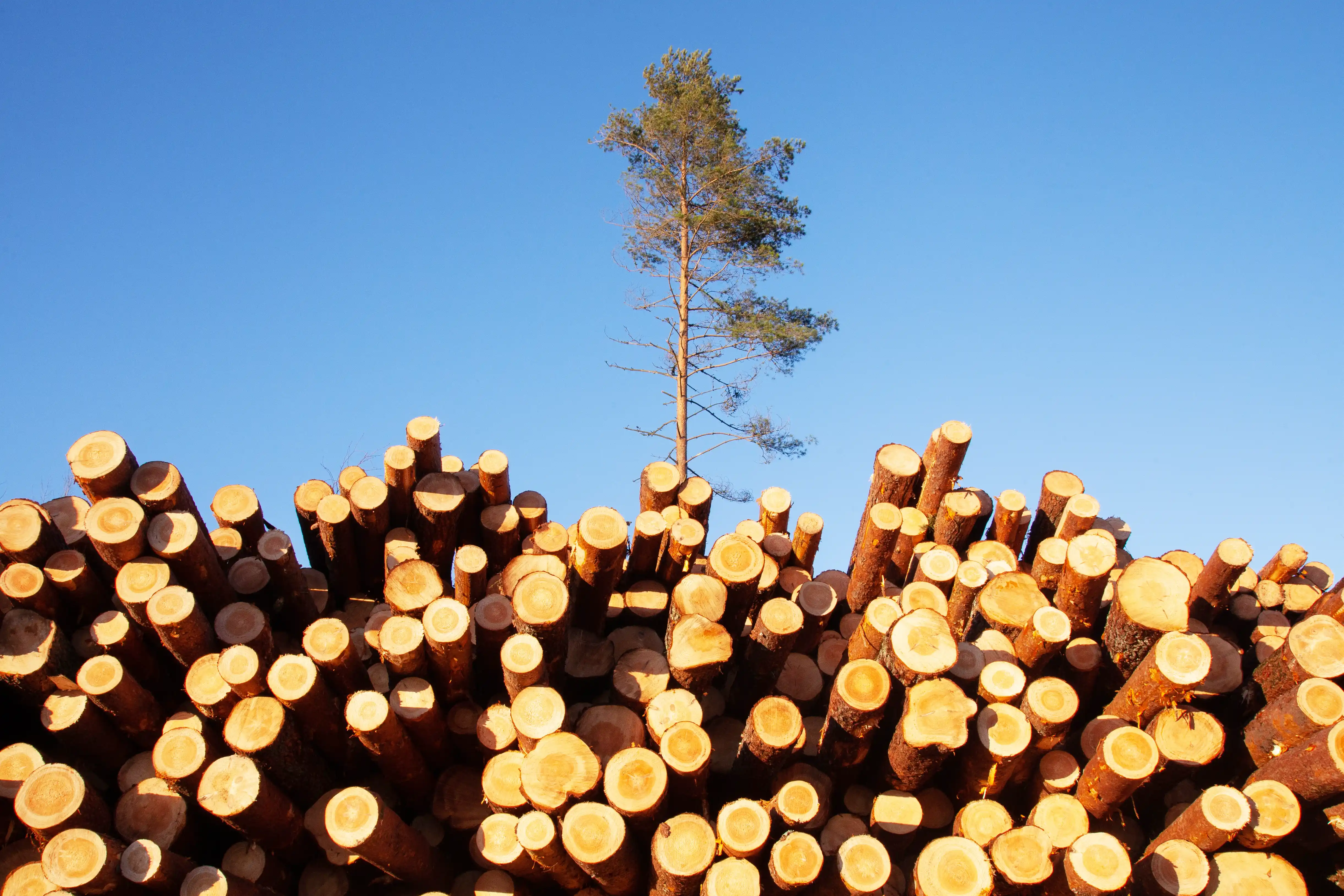
Many corporations claim their products are “green-friendly.” But how do you know if what they’re selling is truly eco-safe? SciLine interviewed Thomas Lyon, professor of sustainable science, technology and commerce at the University of Michigan, on how to buy environmentally sustainable products, whether carbon credits actually work and the prevalence of greenwashing.
Free calculators and comparison tools to help you make a smarter solar or battery purchase.
Open ToolsFree calculators and comparison tools to help you make a smarter solar or battery purchase.
Open Tools