Find Trusted Installers Near You & Compare Quotes
Find Trusted Installers Near You & Compare Quotes
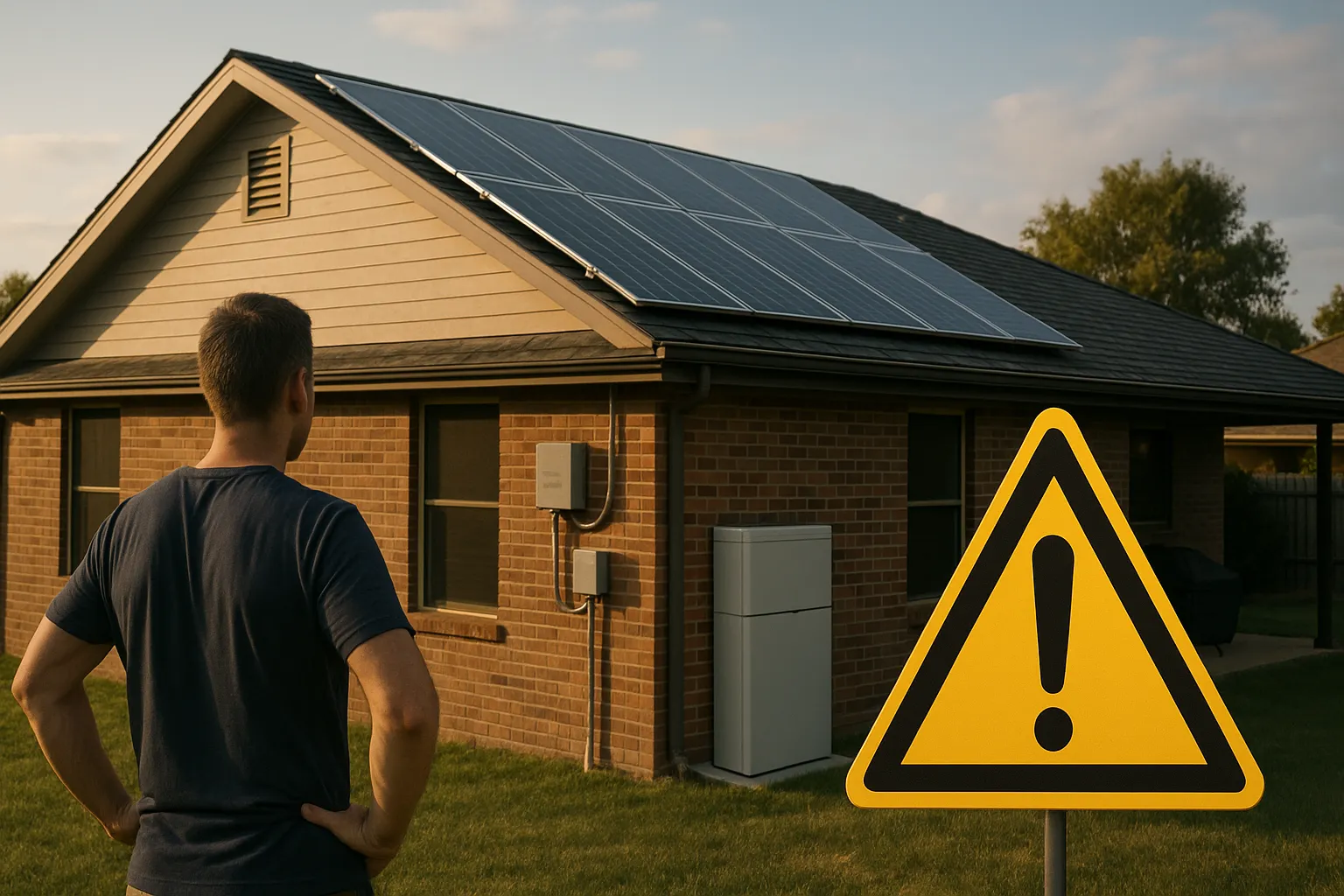
For many Australian households, installing rooftop solar comes with an expectation that the system will quietly do its job for 25 years or more. Solar is often promoted as a long-term, low-maintenance investment that pays itself off and then keeps delivering cheap electricity well into the future.

Australia’s energy transition took a major step forward on January 7, 2026, as Origin Energy announced the commercial commencement of the first stage of the Eraring Battery Energy Storage System (BESS). Located on the western shore of Lake Macquarie in New South Wales’ Hunter region, the project is reshaping the future of a site that remains the largest operational coal-fired power station in the country.
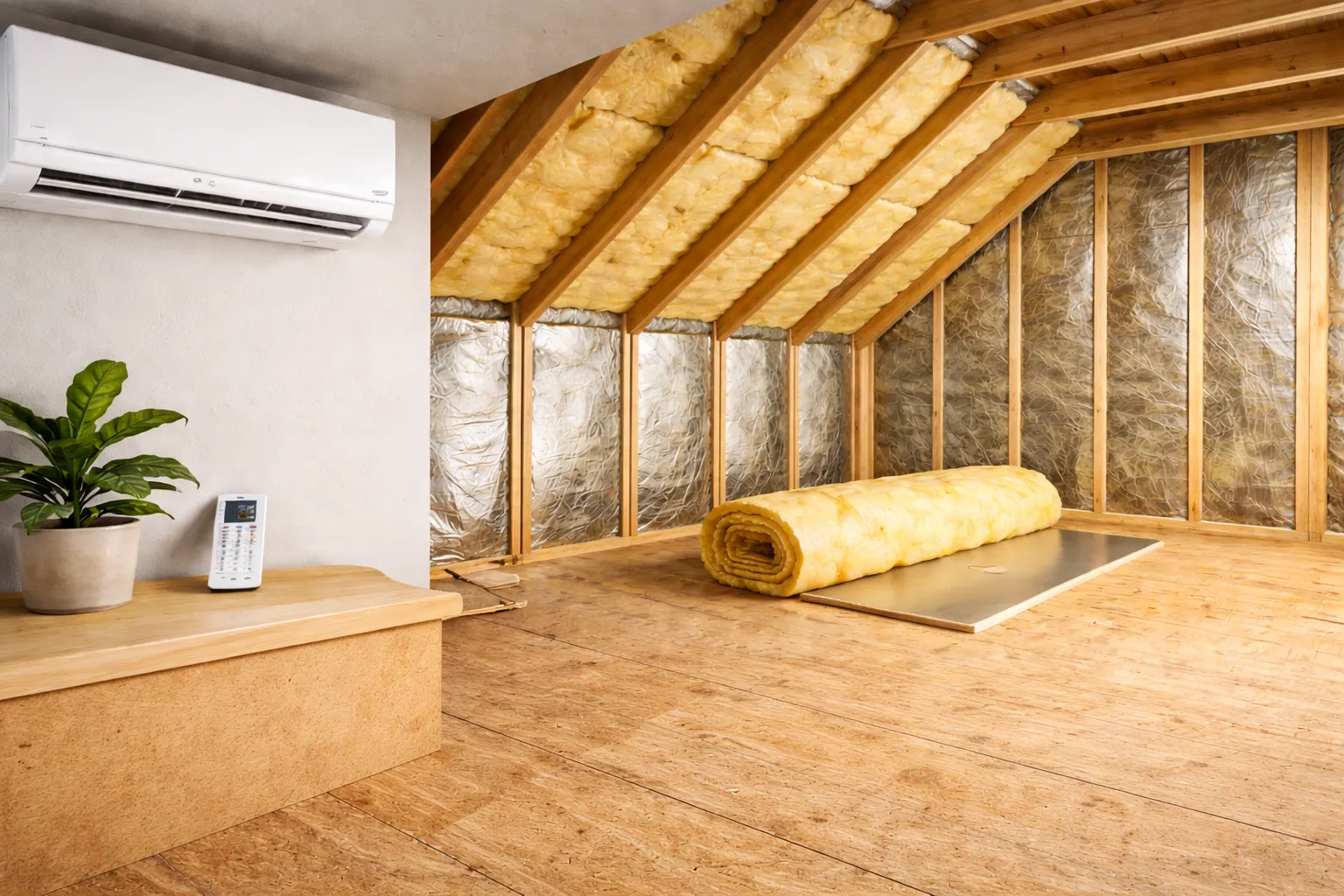
Australian households are paying more than ever for energy, yet plenty of homes are still uncomfortable — too hot in summer, too cold in winter, or both. The usual response is predictable: buy a bigger or newer air-conditioner, often a reverse-cycle system, and hope that fixes it.

If you’re weighing up rooftop solar, the lifespan question usually comes up early. You’ll hear numbers like 25 or 30 years and it’s easy to assume that once the warranty ends, the panels are on their last legs. Add Australia’s heat into the mix and some people expect them to fry even sooner.
Free calculators and comparison tools to help you make a smarter solar or battery purchase.
Open ToolsFree calculators and comparison tools to help you make a smarter solar or battery purchase.
Open Tools