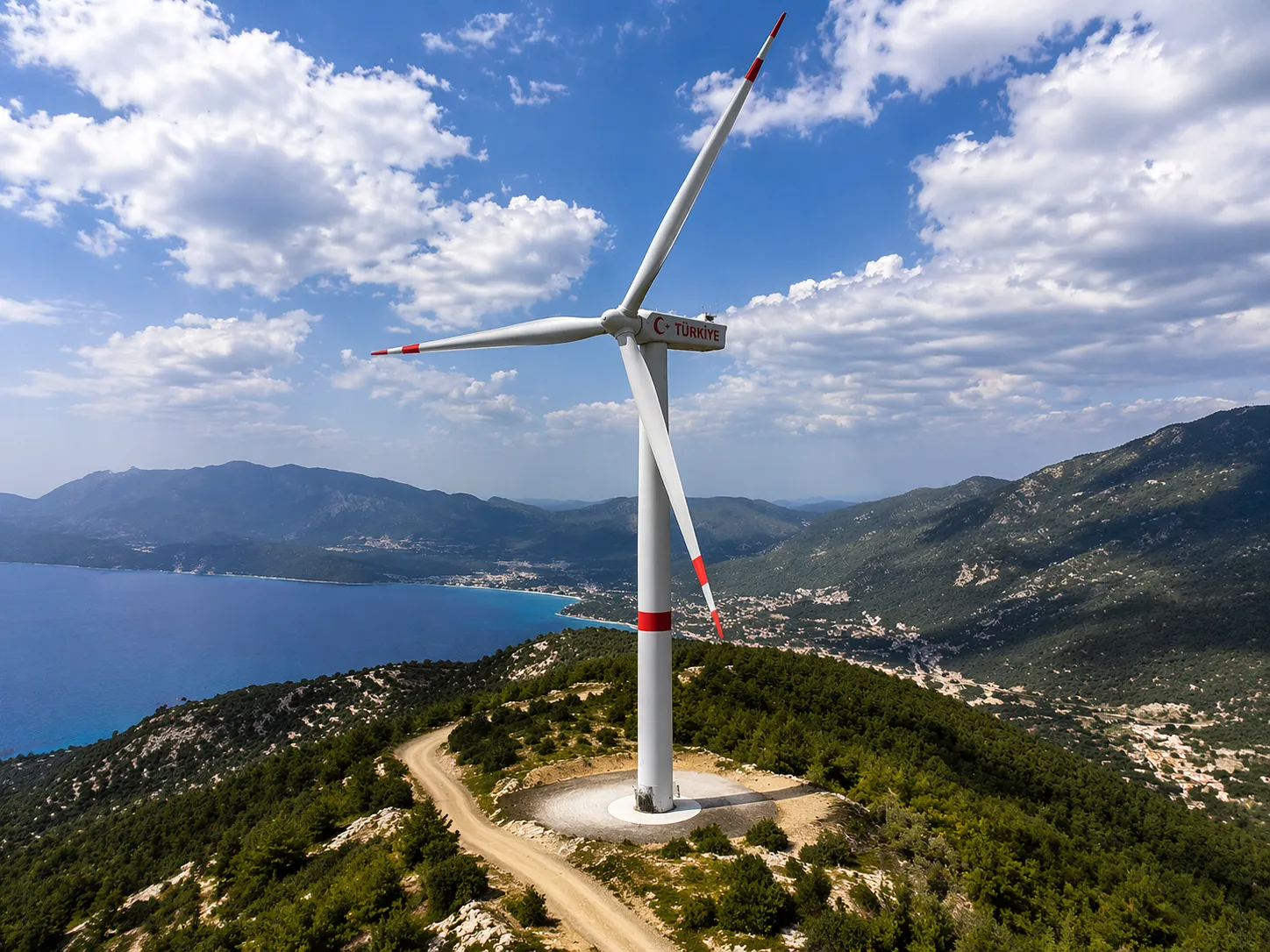
Around the world, renewable energy is often talked about as an environmental necessity. Yet for many nations, the real motivation is far more practical: economic stability and national security. Türkiye provides a striking example of how a country can reshape its energy system not just to cut emissions, but to strengthen its finances and reduce reliance on volatile global fuel markets.
Over the past two decades, the nation has deliberately reworked its electricity mix, investing heavily in wind and solar while building the industries needed to support them. The result is a transition driven as much by economics as by climate policy. For Australians watching our own grid evolve, the Turkish experience offers a useful lens on issues like manufacturing, reliability and power prices.
Why energy independence became the priority
Türkiye has long relied on imported fuels to keep its lights on. For much of this century, more than half of its energy supply came from overseas, leaving the economy exposed whenever oil and gas prices surged. That dependence also weighed heavily on the country’s trade balance, making energy costs a persistent financial drain.
The push into renewables was designed to tackle that vulnerability head-on. By producing more electricity domestically from wind and sunlight, Türkiye has been able to reduce the amount of gas it needs to buy from abroad. In just two years, wind and solar generation displaced roughly 15 billion US dollars’ worth of natural gas imports, easing pressure on the national budget and helping stabilise the economy.
Large projects have played a significant role in this shift. One solar facility alone now avoids the need for hundreds of millions of cubic metres of imported gas each year, saving substantial sums that would otherwise leave the country. These savings are not just accounting figures; they directly influence the cost of running factories, transporting goods and keeping households powered.
Cheaper electricity and real savings for households
As renewable generation has expanded, electricity prices have started to move in consumers’ favour. During periods when wind and solar output is high, wholesale power costs have fallen sharply. That drop has flowed through to households, reducing annual bills and easing the financial strain many families face.
Industrial users have benefited as well. Lower energy costs make local manufacturing more competitive, helping businesses export goods and create jobs. In this way, the energy transition becomes a cycle: cheaper power supports industry, which in turn strengthens the economy and funds further investment in renewables.
Wind power takes centre stage
Wind energy has grown from a minor contributor to a major pillar of Türkiye’s electricity system. By the middle of the decade, installed wind capacity had climbed to nearly sixteen gigawatts, supplying a meaningful share of national demand.
This expansion did not happen by chance. It followed years of consistent policy support, including guaranteed purchase prices and incentives for equipment made locally. Those measures gave investors confidence to build projects and encouraged manufacturers to set up operations within the country.
The industrial hub that developed around the coastal regions of İzmir and Aliağa now produces key components such as turbine towers, blades and generators. Thousands of workers are employed across manufacturing, construction and engineering, while exports of wind technology generate significant income.
Solar power’s extraordinary rise
While wind laid the groundwork, solar energy has surged at a remarkable pace. In little more than a decade, installed capacity expanded hundreds of times over, transforming sunlight into one of the nation’s most important energy sources.
A flagship project in central Türkiye demonstrates the scale of this transformation. Built on land that had become degraded and unproductive, the facility now supplies electricity to millions of people while reducing carbon emissions on a massive scale. Most of the panels used there were manufactured domestically, reinforcing the government’s commitment to building local industry alongside renewable capacity.
Beyond these giant installations, a quieter shift is happening on rooftops. Businesses and households are increasingly installing their own solar systems to manage rising energy costs. This decentralised approach mirrors trends in Australia, where small-scale solar has become a defining feature of the energy landscape.
Keeping the lights on when the sun and wind fluctuate
One of the biggest challenges in any renewable-heavy grid is reliability. Solar panels do not produce power at night, and wind turbines depend on weather conditions. Recognising this, Türkiye has taken an unusually decisive step: requiring new renewable projects to include battery storage.
This policy has created a pipeline of storage projects on a scale rarely seen elsewhere. The batteries are designed to smooth out fluctuations, stabilise frequency and provide backup power when generation dips. In practical terms, they help ensure the grid remains dependable even as fossil fuel use declines.
Hydropower and nuclear energy continue to play supporting roles, providing steady output that complements intermittent sources. However, changing rainfall patterns have reduced the reliability of hydroelectric dams, making the expansion of wind, solar and storage even more urgent.
Planning for the long term
Türkiye’s energy transition is guided by a national plan that stretches into the next decade. The goal is ambitious: dramatically increase renewable capacity while cutting emissions and strengthening energy security.
To reach those targets, the government has focused on reducing red tape. A streamlined approval system now allows renewable projects to move from planning to construction far more quickly. This reform addresses a common bottleneck in many countries, where lengthy permitting processes delay urgently needed infrastructure.
International trade pressures are also shaping the transition. As export markets demand lower-carbon products, manufacturers need access to clean electricity to remain competitive. That demand has encouraged businesses to invest directly in renewable energy, making sustainability a commercial necessity rather than a marketing exercise.
Lessons that resonate in Australia
Despite differences in geography and politics, Australia and Türkiye share several challenges. Both countries possess abundant renewable resources, and both are navigating the gradual retirement of ageing fossil-fuel plants.
Where their paths diverge is in emphasis. Australia has led the world in rooftop solar adoption, driven largely by households. Türkiye, by contrast, has focused heavily on large-scale infrastructure and domestic manufacturing. Each approach offers valuable insights for the other.
Three practical lessons stand out.
- First, linking renewable development with local manufacturing can create jobs and build economic resilience.
- Second, integrating battery storage from the outset helps maintain reliability as renewable capacity grows.
- Third, simplifying approval processes can accelerate progress without sacrificing safety or environmental standards.
What it means for everyday power bills
For consumers, the most immediate question is simple: will electricity become more affordable and reliable? The Turkish experience suggests cautious optimism. As renewable energy replaces imported fuels, power prices become less sensitive to global gas markets.
Households are also learning to use electricity more strategically. Time-of-use pricing encourages people to run appliances or charge vehicles when renewable generation is plentiful, reducing costs without compromising comfort. Meanwhile, the growing popularity of home batteries offers another layer of protection against future price shocks.
Opportunities beyond emissions
The transition to clean energy carries social and environmental benefits as well. Large solar projects have been built on previously degraded land, helping restore vegetation and support local farming activities. Renewable development has also created employment in regional areas, providing new opportunities for workers moving out of traditional energy industries.
Still, challenges remain. Transmission networks must expand to carry power from new generation sites, and changing climate conditions continue to affect water supplies for hydroelectric dams. These hurdles are significant but manageable with careful planning and sustained investment.
A practical roadmap for the future
Türkiye’s energy journey shows that renewable power is not merely an environmental gesture. It can be a strategic tool for economic stability, industrial growth and national resilience. By aligning policy, infrastructure and industry, the country has demonstrated how a determined approach can reshape an entire energy system.
For Australians, the message is straightforward. The shift to wind and solar is not just about cutting emissions; it is about building a more secure, affordable and self-reliant energy future. The details will differ from country to country, but the underlying principle remains the same: when energy is produced locally and efficiently, everyone stands to benefit.