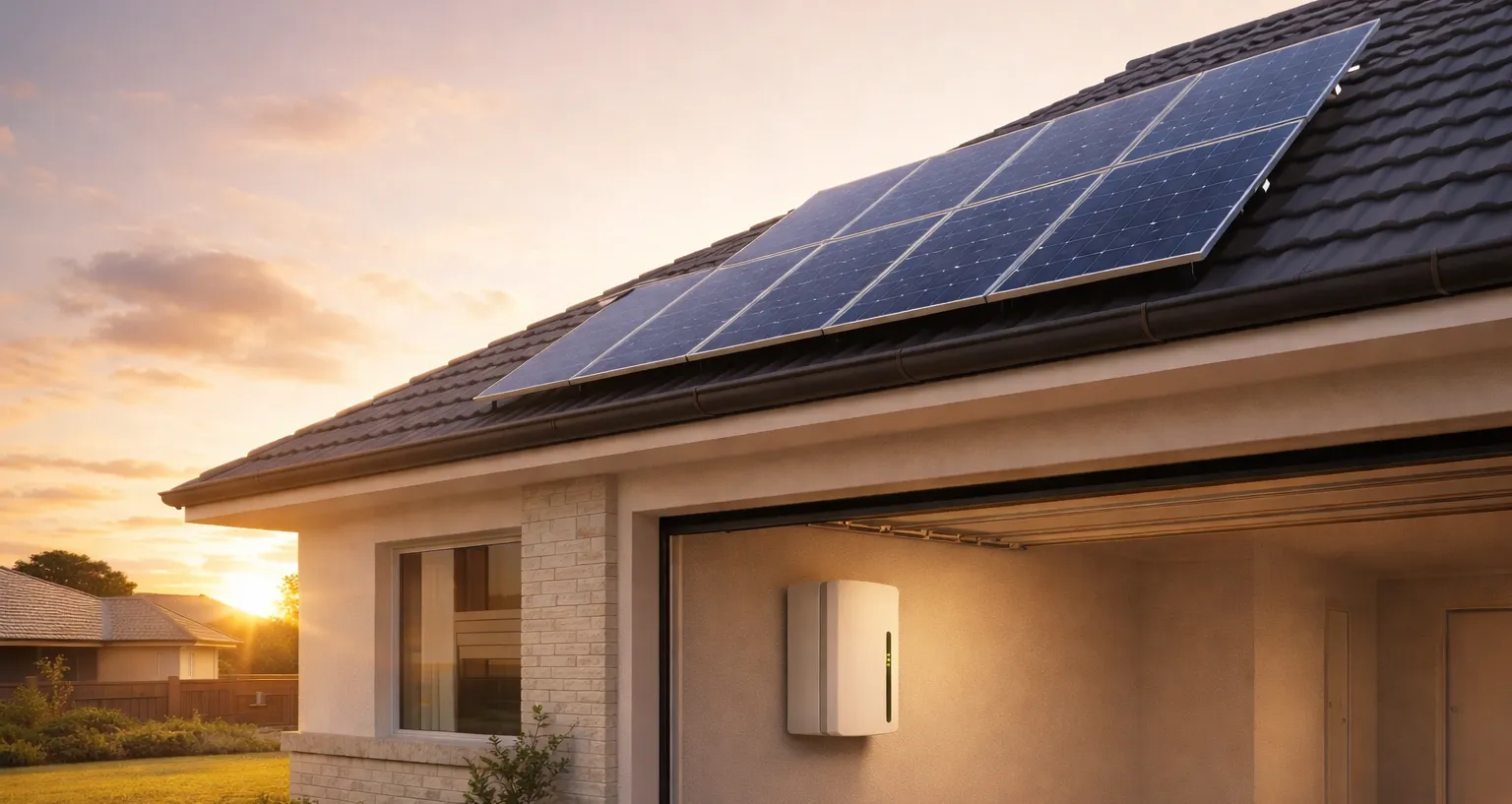
Renewable energy cops plenty of blame whenever household electricity prices rise, although much depends on who is doing the talking — or, more often, the shouting.
Those on the so-called political right tend to make the most noise. The familiar routine is to whip up fear and resentment around an alleged “net zero conspiracy”, portray wind turbines and solar panels as the source of every painful bill increase, and then present themselves as the only people capable of rescuing households from it.
On the other side, renewable energy is sometimes promoted as though it will make electricity so cheap that Australians will barely notice the meter spinning.
The evidence is less dramatic than either sales pitch, but far more useful.
Wind and solar generally reduce the wholesale cost of generating electricity. However, connecting new renewable projects and maintaining a reliable grid requires substantial investment in transmission, storage and network upgrades. Those costs can increase a different part of the household bill.
Renewables are therefore not simply pushing prices up or pulling them down. Their effect depends on which part of the electricity system is being examined — a distinction that tends to disappear once the political shouting begins.
What are you actually paying for?
An electricity bill is really several separate costs bundled together.
Wholesale electricity typically accounts for about 30 to 45 per cent of a household bill. This is what retailers pay generators for the power they sell to customers.
Network charges make up roughly 33 to 48 per cent. These charges cover the transmission lines, local poles and wires, maintenance and other infrastructure needed to deliver electricity.
Retail operating costs and profit margins generally contribute another 10 to 15 per cent. This includes billing, customer service, marketing and the cost of managing wholesale market risk.
Environmental and government policy programs usually account for about 5 to 8 per cent. These include measures such as the Renewable Energy Target and various state energy-efficiency schemes.
That breakdown matters because renewable generation may reduce one component while increasing pressure on another.
NSW Climate and Energy Action - Energy bills and costs explained
Wind and solar reduce wholesale prices
Australia’s wholesale electricity market operates in five-minute trading intervals. Generators submit offers to supply power, and those with the lowest operating costs are generally called on first.
Wind and solar farms do not need to buy fuel every time they produce electricity. As a result, they can offer power into the market at or close to $0 per megawatt-hour.
When renewable output is strong, cheaper wind and solar generation displaces more expensive coal and gas generation. That tends to lower the wholesale price paid across the market.
Australian Energy Market Operator reports have repeatedly shown the same pattern: periods with more renewable generation are generally associated with lower average wholesale prices.
This does not mean wholesale electricity is always cheap when renewables are available. Prices still respond to demand, transmission limits, generator outages and the amount of dispatchable supply available at a particular moment. But the direct effect of additional low-cost renewable generation is downward, not upward.
AEMO - Quarterly Energy Dynamics Reports
Renewables are the cheapest new generation option
The economics are similar when Australia considers what type of power station to build next.
CSIRO’s GenCost analysis, produced with AEMO, identifies large-scale wind and solar as the lowest-cost forms of new electricity generation in Australia.
Renewables do require supporting infrastructure. A system dominated by variable generation needs more transmission, batteries, pumped hydro and other measures that can supply power when the sun is not shining or the wind is not blowing.
Even after those integration costs are included, the analysis finds firmed wind and solar remain considerably cheaper than building new coal, gas generation with carbon capture, or nuclear power.
That makes an important distinction clear. The panels and turbines are not the expensive part of the transition. Rebuilding and extending the wider electricity system is where much of the additional spending appears.
The grid was built for a different era
Australia’s existing electricity network was designed around a relatively small number of large coal-fired power stations.
Plants were often built near coal resources, including Victoria’s Latrobe Valley and the Hunter Valley in New South Wales. Electricity then travelled from those centralised generators towards cities and major industrial areas.
Renewable generation is more widely dispersed. Wind and solar projects are being developed across regional Renewable Energy Zones, often far from the strongest parts of the existing network.
Connecting those projects requires new high-voltage lines and substantial network upgrades. Projects such as EnergyConnect and HumeLink are part of that broader transformation.
The system also needs equipment that can maintain stability and supply electricity when renewable production falls. This includes grid-scale batteries, pumped hydro and other firming infrastructure.
These assets are expensive to build. Under Australia’s regulatory system, approved network investment is recovered from consumers through network tariffs over many years.
Recent Default Market Offer decisions from the Australian Energy Regulator have shown rising network charges contributing to price increases in New South Wales, South East Queensland and South Australia.
In other words, renewable electricity can make the wholesale portion of the bill cheaper while the cost of connecting and supporting it adds to the network portion.
Coal and gas remain major price risks
Blaming every bill increase on renewable energy also ignores the condition of Australia’s existing fossil-fuel generators.
Many of the country’s remaining coal-fired power stations are old by developed-world standards. When one of these large generators unexpectedly fails, the market can lose a significant amount of supply with little notice.
More expensive generators must then fill the gap. This can cause sharp increases in spot and contract prices.
Gas-fired generators are particularly important during peak periods, when coal units are unavailable or renewable production is low. They can respond quickly, but their electricity is often expensive.
Australian gas prices are also exposed to international market conditions. When the cost of gas rises, gas-fired generation can set a high marginal price for the entire wholesale market.
The Australian Energy Regulator has identified high wholesale contract prices, coal generator reliability problems, expensive gas and network costs as important contributors to higher default electricity prices.
The recent price story is therefore not simply one of cheap renewables versus costly transmission. It also includes an ageing coal fleet and a gas market capable of delivering unpleasant surprises.
Do environmental schemes add much?
Government renewable and energy-efficiency programs do appear on electricity bills, but they form a relatively small share of the total.
They are also not the main reason for recent household bill increases. Earlier subsidy arrangements, including some legacy feed-in tariffs, are gradually being wound back.
For most households, changes in wholesale and network costs have a much greater effect than current environmental policy charges.
So, are renewables raising electricity prices?
At the point of generation, the answer is no. Wind and solar have very low operating costs and tend to reduce wholesale prices when they are producing electricity.
Across the broader transition, the answer is partly. Australia must spend heavily on transmission, storage and distribution networks to replace ageing infrastructure and connect new generation. Consumers help fund that investment through network charges.
The relevant question is not whether rebuilding the electricity system costs money. It clearly does. The better question is whether the alternatives would cost less.
Analysis from AEMO, the Australian Energy Market Commission and CSIRO indicates that delaying the transition, extending unreliable coal generators or replacing them with higher-cost technologies would leave consumers facing greater long-term costs than a system based on firmed renewables.
What households can do now
Consumers cannot control wholesale gas prices or the construction cost of a transmission line, but they can still reduce what they pay.
Standing offers, including the Default Market Offer, are generally among the more expensive retail plans. ACCC and AER data indicates that moving to a competitive market offer can save an average household between 15 and 27 per cent a year.
Households on suitable time-of-use tariffs may also benefit from shifting heavy electricity use into the middle of the day.
Solar generation is abundant between about 10 am and 3 pm. Running hot-water systems, heat pumps, electric vehicle chargers and other large appliances during those hours can reduce costs, depending on the household’s tariff and equipment.
Renewables are not the single cause of higher electricity bills.
Wind and solar reduce the cost of producing electricity, but the grid needed to carry, store and manage that power requires significant investment. At the same time, ageing coal stations and volatile gas prices continue to create expensive disruptions.
Australia is paying for a major change to its electricity system. Some of that cost is already appearing in household bills. But the available evidence indicates that completing the shift to firmed renewable energy is still cheaper than trying to preserve or replace the old system with more expensive alternatives.