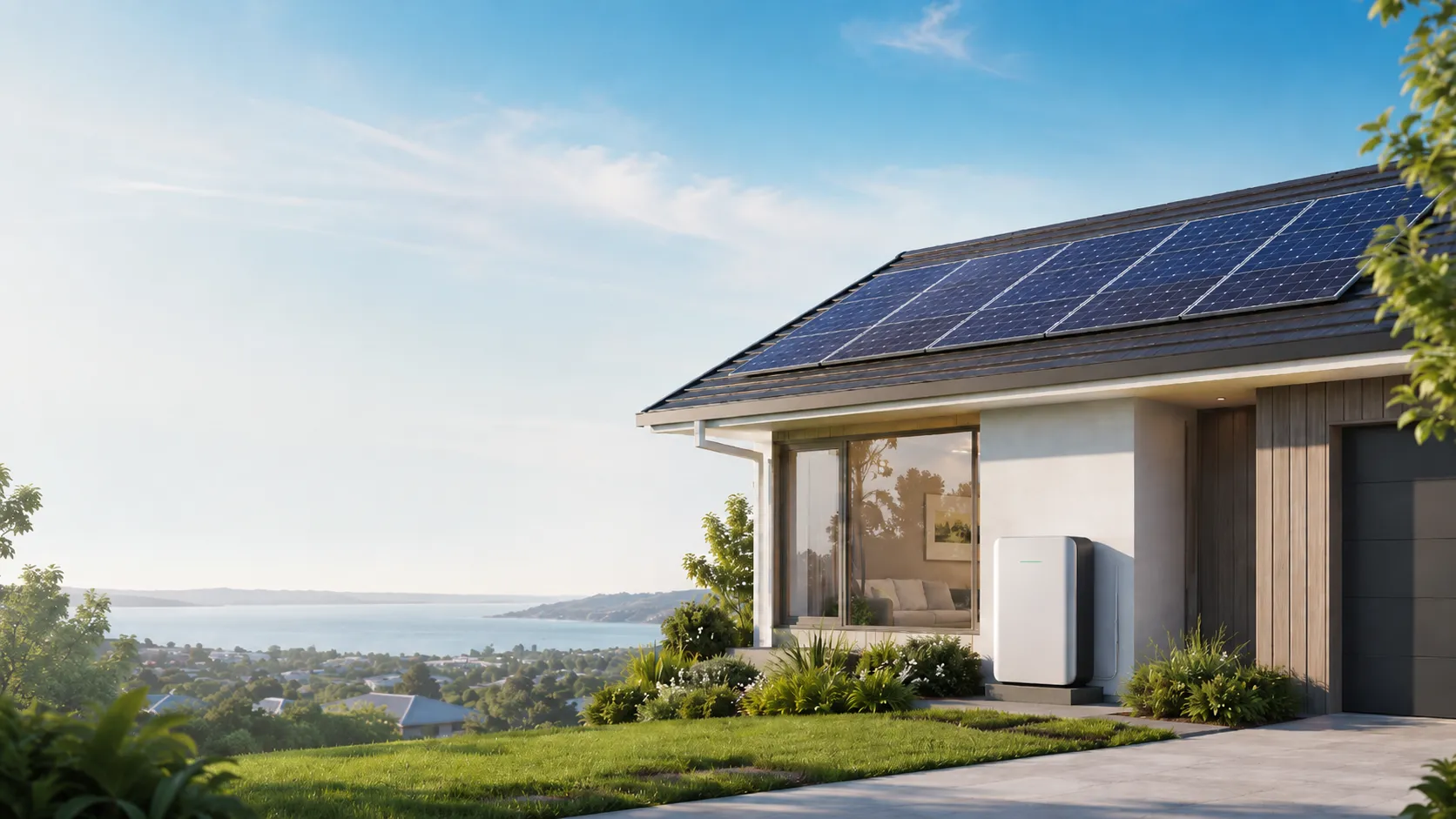
Rising power bills have become a major headache for households across New South Wales. While solar panels, batteries and other energy-saving upgrades can significantly reduce ongoing electricity costs, the upfront investment has often put them out of reach for many families. The NSW Government’s new Home Energy Saver program is designed to tackle that problem by helping eligible households spread costs over time or reduce them altogether.
Backed by $557 million in funding, the program combines interest-free finance with direct discounts, making renewable energy and home efficiency improvements more accessible to a wider range of residents. Rather than requiring households to find thousands of dollars upfront, the scheme aims to remove one of the biggest barriers to upgrading Australian homes.
Interest-Free Loans for Energy Upgrades
The largest part of the program is a $480 million pool dedicated to zero-interest loans. Eligible homeowners can borrow up to $15,000 and repay the amount over a fixed ten-year period without paying any interest. Homeowners with a combined annual taxable household income of $210,000 or less may qualify.
The government expects more than 32,000 households to benefit from the initiative. By spreading costs across a decade, homeowners can install energy-saving technology now and potentially use future bill reductions to help offset repayments.
Home Energy Saver loan guidelines June 2026 PDF
Additional Support for Lower-Income Households
Alongside the loan program, a separate $77 million package has been allocated to direct discounts for eligible households. These subsidies can provide up to $4,000 off approved upgrades, helping reduce the amount that residents need to finance or pay themselves.
The discounts are available to households earning $80,000 or less in combined annual taxable income, as well as eligible concession card holders. In a move that broadens access beyond homeowners, renters may also qualify provided they obtain written approval from their landlord before proceeding with the upgrades.
Applications for the interest-free loans are available immediately, while the subsidy and discount component is scheduled to commence later in 2026.
What Can Be Included?
The scheme covers a range of improvements aimed at reducing energy consumption and increasing household efficiency. Rather than focusing solely on solar panels, residents can combine multiple upgrades under the same funding arrangement.
Eligible improvements include:
- Rooftop solar systems
- Home battery storage
- Insulation and draught sealing
- Reverse-cycle air conditioning systems
- Electrical switchboard upgrades
- Ceiling fans
According to Smart Energy Council figures, a combined solar and battery installation can cost anywhere from $10,000 to $40,000 depending on the property and the scope of electrification works required.
How to Maximise the Financial Benefit
Households that qualify for both the discount and the interest-free loan are encouraged to apply for the subsidy first. This reduces the total project cost before finance is arranged.
For example, a household undertaking a $10,000 upgrade package could receive a $4,000 subsidy if eligible. The remaining $6,000 could then be funded through the zero-interest loan, reducing upfront costs to zero and leaving only scheduled repayments over the ten-year term.
The program can also operate alongside existing federal incentives, including Small-scale Technology Certificates (STCs). Those federal rebates are generally applied at the point of sale, meaning the NSW loan can be used to finance the remaining balance after eligible federal discounts have already been deducted.
A Practical Step Towards Lower Energy Bills
The Home Energy Saver program focuses on one of the biggest obstacles preventing households from adopting renewable energy technologies: affordability. By offering interest-free finance and targeted discounts, the initiative opens the door for more homeowners, concession card holders and eligible renters to invest in energy-saving improvements without facing large upfront expenses.
Read more on the NSW gov website: www.energy.nsw.gov.au/households/grants-rebates/home-energy-saver